Which teams play Pac-12 men's basketball in 2026–27?
The 2026–27 Pac-12 men's basketball league has nine teams: Boise State, Colorado State, Fresno State, Gonzaga, Oregon State, San Diego State, Texas State, Utah State and Washington State. The conference name remains Pac-12, but its men's basketball schedule is built around those nine members. Older lists of the league's former members will give you the wrong opponents for this season.
The membership is confirmed in the schools' official announcements, including Gonzaga's account of entering the conference and Texas State's membership announcement. This guide covers the basketball season, rather than treating the number of football teams as the basketball field. That distinction matters particularly when a reader is trying to place Gonzaga.
Gonzaga joins a nine-team basketball league
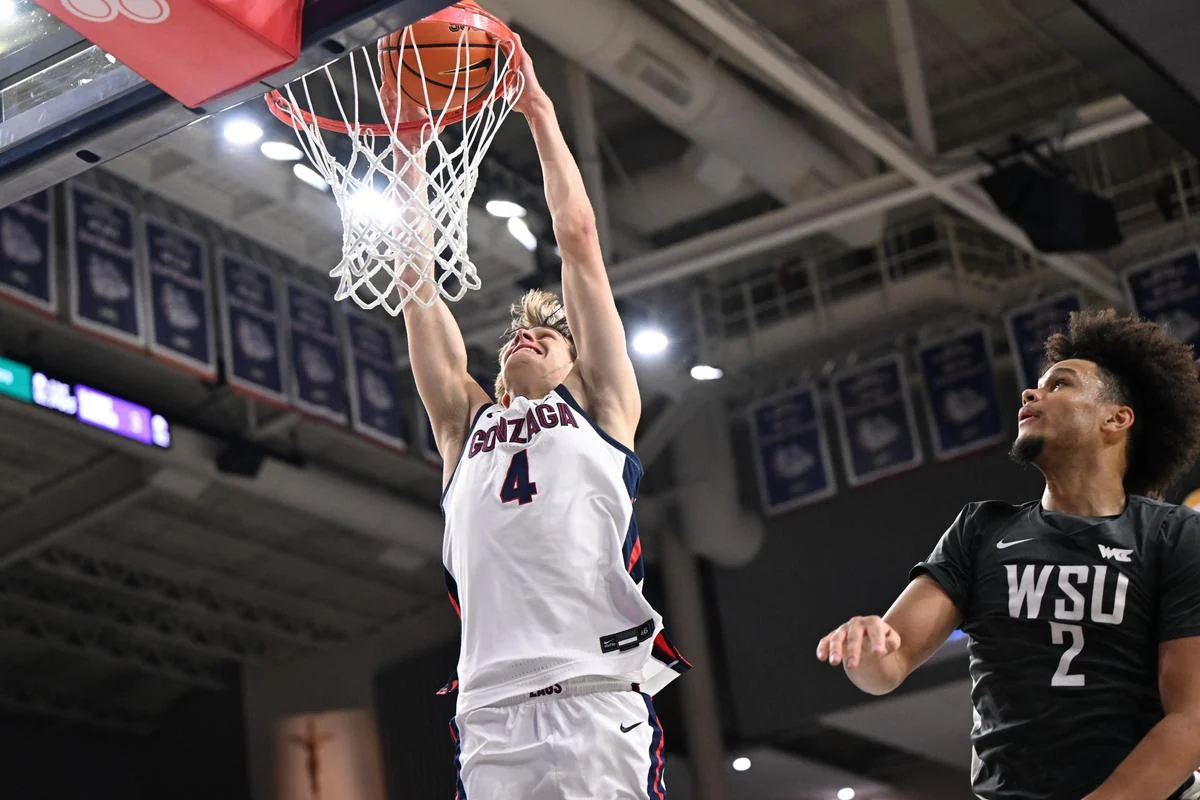
Gonzaga's conference membership began July 1, 2026, and the Bulldogs' first Pac-12 basketball season is 2026–27. They belong on this season's Pac-12 standings and conference schedule. A Gonzaga game against a former West Coast Conference opponent should therefore be read through its current schedule classification, rather than presumed to be a league game because of an old rivalry.
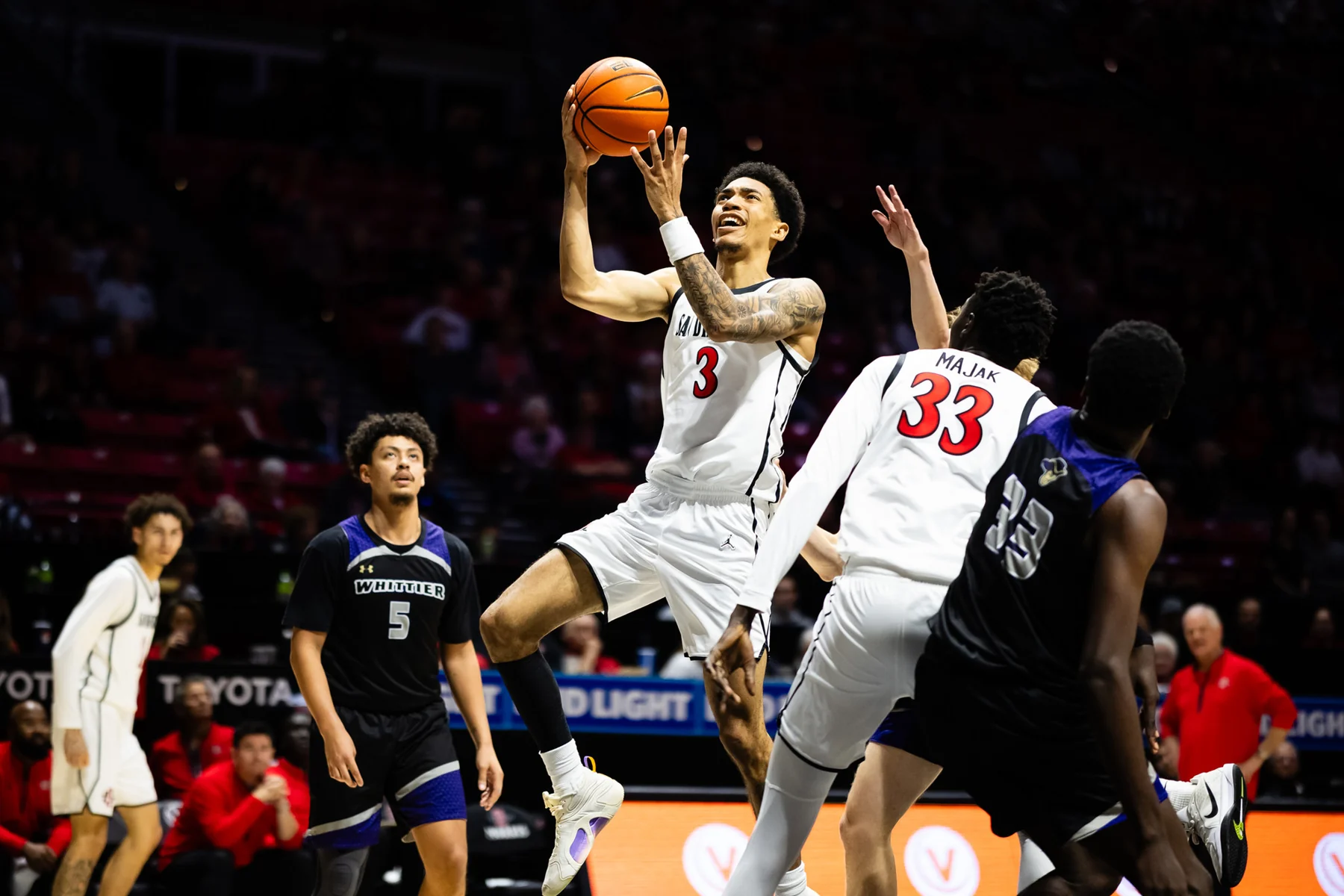
The new league also preserves a substantial amount of familiarity. San Diego State's September 30 schedule release identifies Boise State, Colorado State, Fresno State and Utah State as continuing rivals, with Gonzaga, Oregon State, Texas State and Washington State added as conference opponents. That split is a useful entry point for fans: half of the Aztecs' eight opponents are established league companions, while half create a different annual rhythm.
The result is a conference season with both remembered matchups and new comparisons. A fan following San Diego State or Boise State can still recognize the opponent from repeated recent meetings. A Gonzaga fan gains repeat league games against those programs, rather than discussing a single nonconference meeting in isolation. This is an explanation of the schedule's structure, not a prediction that a particular style or brand will dominate the standings.
For practical use, keep a current membership list beside the calendar. Distinguish the nine-team league from a tournament's field and from a school's entire nonconference slate. A team can play a Pac-12 opponent outside the conference calendar only if the event is actually classified that way; the opponent's name alone is not enough to infer stakes.
Our conference directory and team directory provide starting points for following those classifications. The next step is to understand why every member has 16 league games, and how that balanced opponent list still produces different challenges from one month to the next.
How the 16-game Pac-12 schedule works
Every team faces the other eight members twice, once at home and once away. That produces 16 conference games for each school: eight home dates and eight road dates. Both Colorado State and Utah State describe the format in their September 30 announcements.
The arithmetic gives the league 72 regular-season conference games: nine teams multiplied by 16 team appearances, divided by two because each game has two teams. That is a calculation from the announced format, not an additional scheduling claim. It also shows why a nine-team league can produce a straightforward comparison despite retaining a name associated with twelve members.
For standings, the most helpful feature is the shared opponent set. No team misses a member entirely, and every home matchup has a corresponding away meeting. When two teams are compared late in league play, fans can focus more directly on what they did against the same eight opponents. The schedule removes one kind of imbalance; it does not make the teams' nonconference records, health or week-to-week workloads identical.
That distinction also improves game analysis. A first meeting gives the staff a concrete example of how the matchup played out; the return meeting creates a chance to respond. Did a team lose the turnover battle because it struggled against pressure? Did defensive rebounding give the opponent extra possessions? Those are useful questions for the second game. They require actual results when the season arrives, rather than conclusions borrowed from an older roster or an assumed tactical identity.
The conference calendar runs from January into early March, but a school's complete season extends beyond those sixteen dates. Utah State, for example, lists a nonconference trip to Memphis on February 20 within a break from league play. A gap in the Pac-12 column therefore does not automatically mean a week of rest. Read the full team schedule before describing a team as fresher than its next opponent.
Likewise, league wins and the overall résumé answer different questions. The Pac-12 table describes conference performance. Broader rankings and tournament evaluations incorporate other evidence from the season. Our team rankings explainer helps separate those systems. Do not turn an early lead in a new league into a promised NCAA seed.
The format's value is clarity. Every fan can identify the home and road version of each matchup, track what changed between them and understand which results count in the league race. That makes the first season easier to follow, while leaving room for the basketball itself to reveal how strong the nine teams actually are.
New Pac-12 matchups and dates worth circling
The announced dates offer a clear first watchlist, even before the television windows are complete. The selections below are editorial choices based on new league meetings, returning rivalries and where the games fall. They are not preseason predictions about which teams will finish highest, and a famous opponent does not turn every early matchup into a title decider.
Gonzaga's first conference month
Gonzaga opens at Washington State on January 6, 2027, then hosts Colorado State on January 9. The Bulldogs visit Fresno State January 13, host Boise State January 16, travel to Utah State January 21 and Oregon State January 24, and host Fresno State January 27. That opening month gives fans several different settings before the league standings have much settled meaning.
Circle the San Diego State pair as well: February 6 at Viejas Arena and February 27 in Spokane. Two meetings create a better opportunity to understand the matchup than a single result. When the first game has been played, the useful follow-up is what each side needs to change before the second: shot creation, rebounding, handling pressure or the minutes allocated to particular combinations. We cannot supply those answers before the games.
For Gonzaga followers, the travel and opponent sequence also helps frame expectations. A performance in one venue may reveal a problem worth tracking, but it should be tested against later evidence. The first conference month is an introduction to this version of the league, not a reason to declare the entire move successful or unsuccessful after one difficult night.
Familiar rivalries keep their place
Utah State hosts Boise State on January 6, the same date Gonzaga begins at Washington State. San Diego State hosts Fresno State January 9 and finishes the regular-season league slate at home against Boise State March 6. These dates preserve recognizable rivalries within the new conference, giving fans of the returning pairings their own reasons to watch beyond Gonzaga's arrival.
There is concrete recent history behind that last pairing. SDSU's official release recalls its 110–107 triple-overtime victory over Boise State on January 3, 2026. That belongs to the previous season; it establishes why the rivalry has compelling recent context, without forecasting another high-scoring finish or assuming the same roster roles. A return matchup deserves attention because of what the teams can show now, rather than because an old score promises a similar script.
For a manageable viewing plan, choose a mixture of first meetings and return games. Note the venue and the preceding fixture, then revisit the matchup after actual results exist. That approach lets you follow how the conference's basketball relationships develop, instead of building a watchlist entirely from recognizable names and missing the rivalries that already have depth.
Read the travel windows before judging a difficult stretch
A balanced home-and-away format does not place every game in the same context. Start with the sequence of dates and venues, then check the full schedule for nonconference games. A difficult opponent coming after a road game raises different preparation questions from the same opponent coming after several days at home. The calendar helps identify those questions; it does not prove that travel will cause a loss.
Utah State offers a clear example. Its official schedule table lists February 4 at San Diego State and February 6 at Fresno State. The two California games are close together on the calendar. A reader should look at how the Aggies manage the second contest after seeing the first, especially if the first game creates heavy minutes or foul trouble. The published dates do not tell us the team's precise travel itinerary or how many hours of recovery it will have.
Use the table and opposing school's schedule when copying those dates: Utah State's release contains a paragraph that calls the two February dates January, while its actual schedule table correctly lists February. SDSU's announcement also places Utah State on February 4. Cross-checking prevents a simple source-page typo from becoming a fan's travel or viewing mistake.
Gonzaga's late February run shows why a conference-only calendar is incomplete. The Bulldogs play a nonconference game against Duke in Detroit February 20, visit Texas State in San Marcos February 25, then host San Diego State February 27. The first is outside the Pac-12 race, but it is still a game in the team's workload. Five calendar days separate the Detroit and San Marcos dates; two separate San Marcos and Spokane. Those are date intervals, not a claim about flight schedules or practice hours.
The practical basketball questions are specific. Which players carried the offensive creation? Were the defensive rotations stable late in the previous game? Did the staff need to use smaller lineups because of fouls? Those observations could help explain the next performance once the season begins. They should be drawn from actual games, while the schedule tells you where to look for the evidence.
Colorado State begins its road conference work at Gonzaga January 9 and at San Diego State January 14. That makes two distinctive environments part of the early adjustment. Again, calling a stretch challenging is an editorial assessment of the opponents and settings, rather than an assertion about a future result. The team may respond well; the purpose of following the window is to assess that response fairly.
For fans attending games, retain the venue and date before the time is finalized, then revisit the official event page before booking a tightly timed trip. For fans watching at home, follow both the previous and upcoming opponent. Our team directory is a useful starting point. A full calendar gives the next result context without turning geography into an excuse.
Where to watch and how the season reaches Las Vegas
The new conference's announced national television partners include CBS Sports, CW Sports and USA Sports. Colorado State's schedule release says 90 percent of the conference schedule has been picked up by those partners. That establishes a broad distribution plan. It does not identify the channel for an individual game whose listing still says TBA, or establish that every viewer can watch every game without a subscription.
Dates are confirmed while tipoff times remain unfinished
As of October 1, the September 30 school announcements still describe conference tipoff times and network assignments as forthcoming. CSU says the network schedule and times will be released in October; Gonzaga says they will be supplied later. A missing time means the published planning information is incomplete. It does not, by itself, mean the game lacks television coverage or that the announced date has been canceled.
Build the watchlist in two steps. First save the opponent, date and venue. Then return to the official school event listing when the channel and tipoff are published. Confirm the displayed time zone before converting it to your own calendar, particularly for a league spanning several regions. This guide deliberately supplies no guessed start times for the selected conference games.
After the assignment appears, check whether your provider actually carries that channel or stream in your location. A network brand and a streaming product are related but not interchangeable. An account that carries one school's nonconference broadcast should not be assumed to carry all its league games. Our TV schedule and live viewing guide help with that next decision once the event information is available.
The regular-season conference slate ends March 6, 2027, before the Pac-12 Tournament March 9–13 at MGM Grand Garden Arena in Las Vegas. Use that exact arena when planning attendance. The Pac-12 tournament is its own competition; it is separate from the NCAA Tournament and from other conference events that may also take place in Las Vegas.
The official launch announcement sets a clearer television plan for the men's tournament: its first seven games are on USA Network, followed by the championship on CBS and streamed on Paramount+. Those are men's tournament assignments. The women's event has its own announced coverage and should not be mixed into this viewing plan.
For the first season, follow the parts of the calendar that are confirmed and update the parts that remain open. Membership and the home-and-away format are established. The games will supply the competitive evidence. The remaining broadcast details will make the watchlist actionable. Keeping those stages clear allows fans to enjoy the new rivalries while making accurate plans for the games they most want to see.
Sign in with Google to join the discussion.