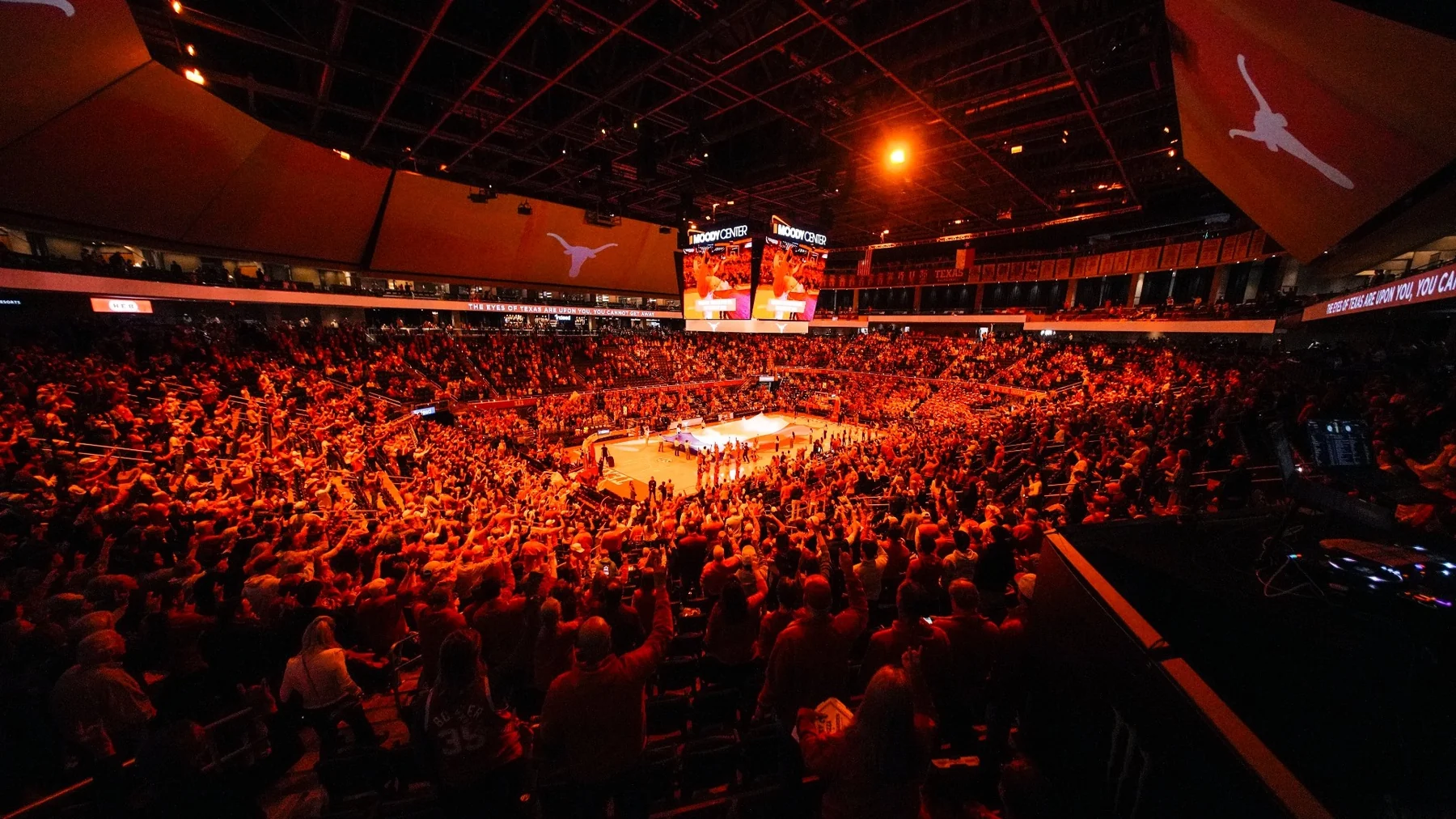
The 2027 SEC schedule belongs to the 2026-27 season
The upcoming SEC men's basketball league schedule is the January-March 2027 portion of the 2026-27 season. That distinction matters when searching for a ?2027 SEC schedule?: January and March 2026 belong to the previous season, while November and December 2026 are part of the approaching campaign's nonconference calendar.
Each SEC team has 18 conference games, split into nine home and nine away dates. Across 16 teams, that produces 144 league games: 16 multiplied by 18, then divided by two because every matchup belongs to both participants. Conference play begins January 2, with the regular-season finale on March 6.
This guide is current through October 20, 2026. It explains how to interpret that schedule and choose useful games to follow. For the day-by-day list, use the SEC schedule page. For an individual team's next game, use its team listing rather than assuming a conference overview includes every nonconference event.
The important preseason distinction is between a scheduled opportunity and a result. A prominent opponent creates an occasion to improve a resume, but the game still has to be played. A difficult-looking trip can become a different test if personnel or form changes. Likewise, a preseason poll describes expectations, not a completed league standing or a tournament seed.
Fans can make the calendar easier to use by recording the season label, opponent, venue and time zone together. A bare date and a school nickname are surprisingly easy to confuse with an old schedule. The problem becomes more acute around the New Year, when the season name crosses calendar years but the team remains in the same campaign.
There are also two useful viewing scales. The conference view shows which games compete for attention on a given day and where standings pressure may develop. The team view reveals repeated opponents, consecutive road games and breaks between contests. Neither view replaces the other. Taken together, they explain why identical records can emerge from rather different sequences of tests, and why a schedule analysis should do more than count how many familiar names appear in January.
How the league schedule creates different paths
Repeated opponents change the comparison
The SEC format gives each team at least one meeting with every other member and a second meeting with three opponents. Two of those repeat relationships are permanent, while the third rotates. This creates an 18-game schedule without a full home-and-away series against all 15 other teams.
Vanderbilt provides a concrete example: its repeated opponents are Kentucky, Tennessee and Texas A&M. Texas, meanwhile, has home and away meetings with Florida, Oklahoma and Texas A&M. The two programs therefore face different extra sets of competitive questions, even though both finish with the same number of league dates.
The analytical consequence is straightforward. A win total describes what a team achieved, but not every detail of the route. Before comparing two records, consider the opponents repeated, their actual performance and where the single meetings occurred. This is context for assessing performance, not permission to dismiss an inconvenient loss or award an imaginary victory.
Rematches are also useful basketball experiments. The second opponent has seen the first plan. A team that relied on one favorable screening matchup may need a different entry next time. Fans can ask whether the offense finds another advantage or simply repeats an action that the defense has already solved.
Home, away and neutral are different tests
Nine home games and nine road games balance the count of venues, but do not make every stretch identical. Two away dates close together can compress preparation and add travel. A home-heavy period offers familiar routines, but its value still depends on the opponents and how the team plays.
Do not blend neutral-site nonconference games into a conference road record. A trip to an event away from campus may be demanding, yet it is a different category from visiting another team's home floor. The designation matters when comparing performances and discussing the broader season resume.
For viewers, the setting suggests what to observe. On the road, watch whether the ballhandler and screener communicate clearly when the first action is disrupted. At home, watch whether a scoring burst leads to disciplined defense or hurried attempts. In either setting, a missed shot followed by a clean defensive rebound is a different possession from a missed shot followed by an uncontested putback.
These are practical ways to use the schedule without pretending it predicts results. The calendar identifies the circumstances; the players still have to solve the basketball problem inside them. A useful analysis keeps those two levels connected while recognizing that a difficult-looking opponent in October may look different by February.

Key SEC dates and a Tennessee case study
The January opening sequence
The January 2 Tennessee-Vanderbilt meeting immediately links two different opening paths. Vanderbilt then visits Florida on January 9 and Kentucky on January 16. Tennessee follows its home opener with away games at Auburn on January 6 and LSU on January 9. The same opening result therefore leads into a different sequence of preparation for each team.
These are useful early comparison points, rather than an objective ranking of the league's hardest schedules. Watch whether the problems travel. If a guard struggles to begin the offense against pressure, does the next opponent use the same tactic? If a team gives away offensive rebounds, do its lineup choices change? The first few league dates can expose an issue before the standings contain a large sample.
Tennessee's later January run includes Kentucky away on January 23, Texas A&M away on January 26 and Florida at home on January 30. That three-game sequence offers different settings within eight calendar days. The dates establish a compact competitive stretch; they do not tell us in advance which opponent will be strongest when the games arrive.
February pressure and the final week
The February calendar brings Kentucky to Tennessee on February 13 and Alabama to Knoxville on February 20, followed by Tennessee at Texas on February 27. Vanderbilt hosts Texas on February 13, visits Texas A&M on February 20 and goes to Alabama on February 27. A fan can use those parallel schedules to compare how different teams handle a similar stage of the season.
For Tennessee, the Kentucky rematch is especially useful as an evaluation point: what changed from the January trip to Lexington? For Vanderbilt, the move from a home date with Texas to consecutive road Saturdays asks whether the same offensive decisions work in different environments. Those questions are more durable than a preseason prediction about the exact score.
The regular-season closing day includes Tennessee at Vanderbilt on March 6. That bookends the two teams' league campaigns, but its standings meaning remains unknown in October. Avoid calling it a title decider or elimination game before the actual table supports that description.
When making a personal calendar, copy confirmed dates from the latest listing. Early releases sometimes used Tuesday-or-Wednesday windows; later television announcements selected the precise day. A saved July calendar can therefore be less reliable than an October update even when both came from the same official source. This is a reason to refresh the listing before booking, not a reason to treat every announced date as meaningless.
TV assignments: read the slash and the plus
The SEC's television schedule uses several labels that look similar but answer different questions. ESPN, ESPN2, ESPNU, ABC and SEC Network identify outlets. A notation such as ESPN/2 or ESPN2/U identifies a choice that may not yet have been resolved to one channel. It should not be read as a promise that every listed outlet will carry the same game.
Vanderbilt's October announcement makes the distinction explicit: all 18 league games are on the ESPN family, while full selections for some windows will be announced as the season progresses. The January 2 game at Tennessee is listed as ESPN or ESPN2. Fans should confirm the final assignment near tipoff rather than selecting a channel from an older calendar.
The plus sign deserves equal attention. SEC Network+ and ESPN+ are distinct event labels, even when both are encountered inside the ESPN app. A viewer should open the actual event and verify what access the current account provides. Familiar branding alone does not establish that a particular feed is included.
Nonconference games add another complication: the opponent or event may have different media arrangements. Vanderbilt's November trip to Ohio State is listed on Peacock/NBCSN, for example. A service that covers most SEC home dates should not automatically be assumed to cover every road or neutral-site game involving an SEC school.
The useful buying sequence is therefore event first, access second, price third. Identify the exact game, check the current outlet, then confirm that the service or provider package available in your location carries it. This article does not guarantee a free trial or quote a subscription price that could change before the game.
Time-zone conversion should be done with the same care. Tennessee's release uses Eastern Time; Vanderbilt's uses Central. The January 2 meeting can correctly appear at 2 p.m. Eastern and 1 p.m. Central. Those are the same tip, not conflicting announcements. Store the zone with the time instead of copying a bare number.
Use the TV schedule as a viewing organizer, then check the latest official assignment on game day. For a long slate, decide which games matter most before arranging subscriptions. That makes the cost and convenience decision concrete and prevents an unresolved slash notation from becoming an unnecessary purchase.
What the schedule means for the SEC Tournament and March
The 2027 SEC Tournament is scheduled for March 10-14 at Bridgestone Arena in Nashville. Those dates are useful now for planning. The teams assigned to each seed and session are not known in October, so a season guide should not turn a possible tournament path into a confirmed itinerary.
Keep three competitions distinct. The conference regular season produces the league record and standings. The SEC Tournament is a separate elimination event. NCAA selection and seeding evaluate a broader body of work. A team can care about all three without them being interchangeable.
The NCAA describes NET as one of several tools used in its process. Its quadrant framework also accounts for game location when organizing results against opponents. That means an opportunity cannot be permanently labeled from an October expectation. The eventual opponent ranking and setting affect how the result is classified, and classifications can move as the season develops.
For fans, the distinction between an opportunity and an achievement is essential. Scheduling a strong opponent creates a chance to add a valuable result; it does not add the win itself. A narrow loss can reveal competitive quality while remaining a loss. A comfortable victory can be good basketball without automatically answering every question about the team's national resume.
Late in the SEC season, also separate tournament positioning from national selection talk. One game might affect a conference seed and still have a different level of significance in an NCAA comparison. Discussion becomes clearer when the question is stated directly: which standing, which seed or which selection claim is being considered?
A postseason trip should be planned around the ticket's actual session terms. A multi-day package and an individual session are different purchases. Check the announced bracket, access rules and current event details before assuming a favored school will appear at a particular time. The disappointment of an early elimination is part of tournament sport; confusion about what a ticket admits is avoidable.
The schedule's value is that it lets supporters follow the evidence as it accumulates. January supplies early league comparisons, February adds rematches and longer performance samples, and March determines the consequences. Preseason expectations can frame the questions, but the results and the way the teams produce them must supply the answers.
A practical weekly routine for following the SEC
Begin each week by choosing a question rather than simply choosing the highest-ranked matchup. You might follow how a team handles ball pressure, whether its guards finish defensive possessions with rebounds or how its offense responds when the first screening action is switched. A specific question turns several games into a connected basketball story.
Preseason expectations help identify starting points. The media's October SEC poll placed Florida, Texas, Arkansas and Tennessee in the first four spots. That is a useful record of what observers expected before the season. It is not evidence that those four will finish in that order or that a game against another member can be ignored.
Next, add the circumstances. Is the team at home or away? How many days separate its games? Has the opponent recently changed its rotation? Only use confirmed availability information; do not invent an injury explanation for a disappointing performance. Context should sharpen the analysis, not become a collection of excuses.
During the game, watch several complete possessions rather than only highlights. A successful defense includes the rebound. An effective attack includes getting into the action early enough to use a second option. An assist is useful, but so is the pass that forces the defense to rotate before the assist. These observations make it easier to compare teams that play at different speeds.
Afterward, separate what happened from why you think it happened. A team missed open threes is an observation; a team permanently cannot shoot is a much larger conclusion. A road defeat can expose a repeated problem without proving that the venue caused every mistake. Keep the sample and the claim at a compatible size.
For the next viewing decision, check the conference schedule, the daily games and the TV guide. Confirm the final outlet and time zone, especially if an older release used a flex window. By the end of the season, this routine gives a fan a clear record of which teams solved their problems, which problems persisted and how the actual SEC race developed across its full calendar.
Sign in with Google to join the discussion.