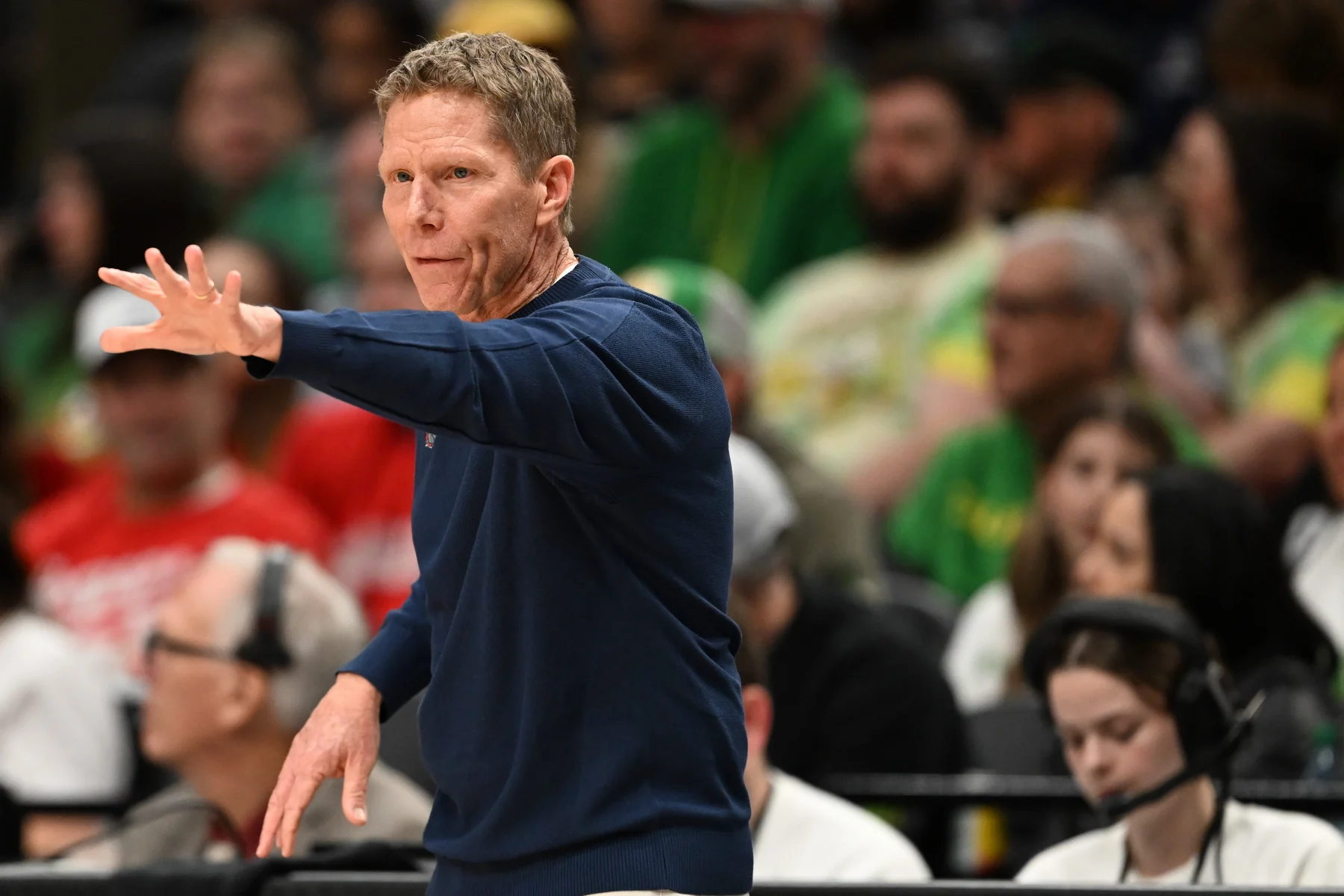
What changed about consecutive media timeouts
NCAA men's basketball has changed how certain accumulated media timeouts are spaced in 2026–27. When two scheduled media breaks would otherwise follow consecutively, the game clock must run before the second is granted. The objective is a return to actual game-clock movement between those windows. It is not a blanket ban on every pair of consecutive breaks.
The NCAA announced the approved ruling on May 8. An October 15 correction to case-book example A.R. 5-33 explains its application and retains an important exception involving the first team-called timeout of the second half. Reading only the short May announcement can miss that distinction. The later interpretation matters when a broadcast returns from one break and almost immediately goes away again.
The complaint is familiar: a viewer sits through commercials, sees players return, then encounters another long stoppage before the game seems to have resumed. But several different things can look alike on television. A scheduled media timeout, a team-requested timeout and free-throw administration can occur in the same stretch without being the same event. Understanding which one is happening is the first step toward judging whether the sequence is being handled correctly.
The narrow change addresses a particular source of interruption. A long stretch without a suitable stoppage can leave more than one scheduled window waiting to be taken. Requiring clock movement before the next carried media break changes their sequence. It does not necessarily remove the later window, alter the team's remaining timeout supply or prove that the overall broadcast has fewer advertisements.
There are basketball consequences too. A coach waiting for a scheduled rest cannot assume that reaching a familiar clock mark will immediately produce it. Players may need to complete another possession, and the next lineup or defensive adjustment may have to wait. Conversely, a long break does not automatically mean the coach chose to spend a timeout at that moment.
The following guide concerns the current Division I men's regular-season media format. Establishing that scope avoids importing a women's quarter arrangement, an old conference experiment or a tournament-specific provision into a different game. Start with how a break becomes due, then follow the corrected example and the exception that survives it.
How a media timeout becomes due
The media agreement sets the marks
The electronic media agreement establishes the number and timing marks of scheduled breaks. The current NCAA regular-season sheet gives 16, 12, 8 and 4 minutes as one example, and 15, 10 and 5 as another. Treat the familiar four-minute pattern as an applicable format to identify, rather than a universal assumption about every basketball broadcast.
A scheduled window normally uses the first dead ball at or after its mark with the game clock stopped. The clock reaching 8:00 does not itself require an official to interrupt an ordinary live possession. If the next qualifying stoppage is later, the window has waited for that opportunity. This is why a continuous stretch of play can change when the audience actually sees commercials.
Think of a hypothetical game passing from 8:10 to 7:50 before an out-of-bounds whistle. Under the applicable under-eight format, the opportunity arrives at the stoppage, not at the midpoint of the preceding action. A viewer expecting a break precisely on the minute mark will misunderstand both the delay and the coach's decision to leave his current group in.
A team timeout is a separate resource
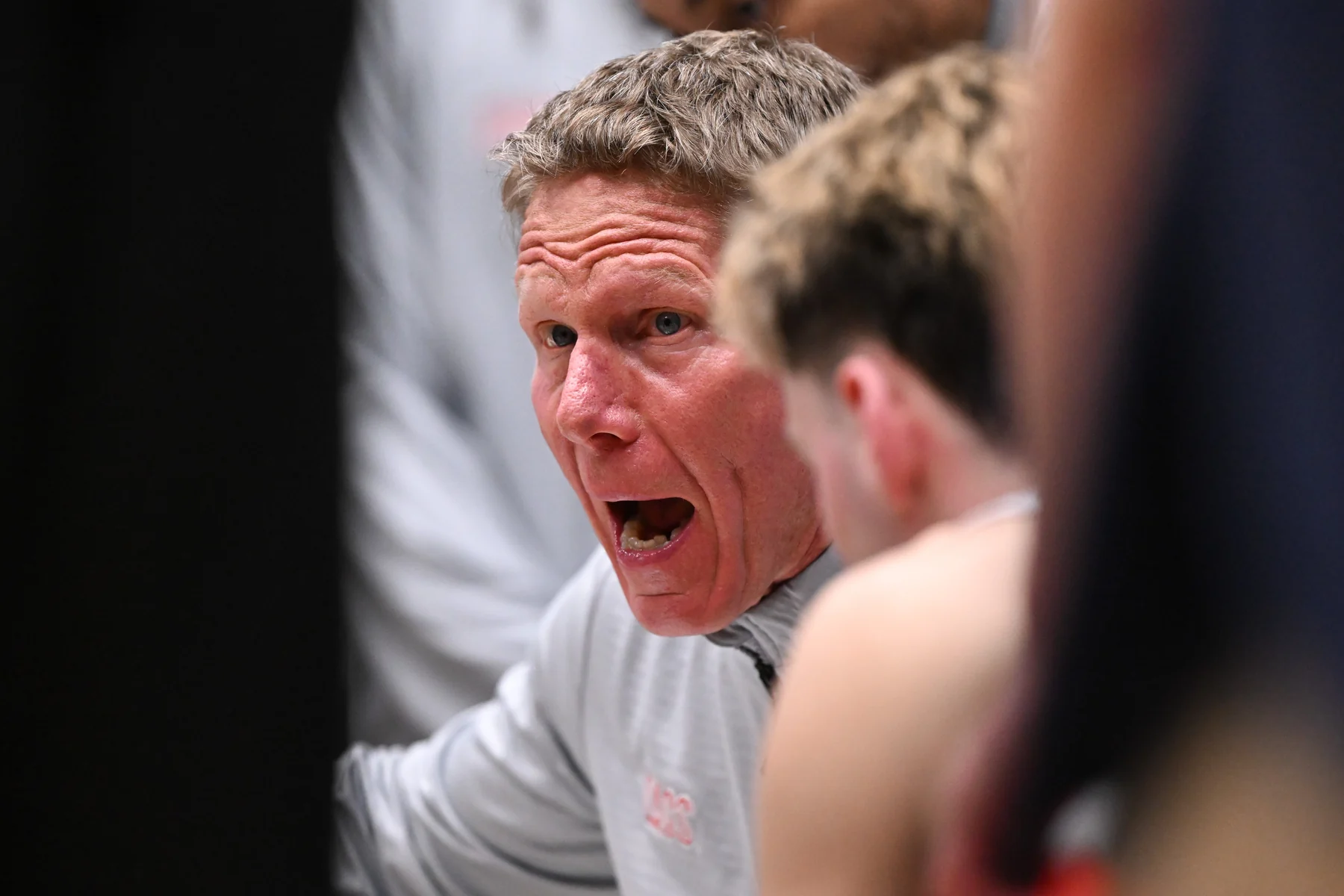
In this media format, each team has three 30-second timeouts and one 60-second timeout for regulation; only two of the 30-second timeouts may carry into the second half. Those team resources are distinct from the scheduled media windows. A long stoppage on screen does not by itself tell you that either coach has spent one.
Certain team timeouts and replay stoppages combine with an approaching media window. The format includes a qualifying stoppage within 30 seconds before the mark, as well as the first qualifying stoppage after it. A charged timeout remains charged when it becomes the media break; an officials' replay stoppage is not automatically a timeout charged to a coach.
The practical benefit of combining the events is easy to see. If the applicable window has already been taken through a qualifying earlier stoppage, reaching the familiar minute mark does not create the same window again. Keep track of what has actually been used. The separate treatment of the first team-called second-half timeout, however, means that combining cannot be assumed in every superficially similar sequence.
The 3:30 example that explains the October correction
The October 15 interpretation uses a specific scenario to show why the order matters. In a game using the 16-, 12-, 8- and 4-minute format, play has not stopped since 9:00. A shooting foul finally stops it at 3:30. Both the under-eight and under-four windows are still waiting. This is a rule-book example, not a report of a particular 2026 game.
The corrected ruling takes the earlier, under-eight media timeout at that foul stoppage. The under-four window then waits for the next dead ball after the game clock has properly started. The correction therefore prevents officials from treating two accumulated scheduled windows as an uninterrupted pair at the same original stoppage.
That sequence preserves the identity of the two windows. The first has not magically become the under-four merely because the displayed time is 3:30. It is the delayed under-eight. Remembering which window was missed explains why another media opportunity remains later, even though the viewer has just watched a long set of advertisements.
Free throws do not make the game clock run
The shooting foul adds the detail that makes the example especially useful. Returning from commercials to see free throws does not necessarily mean the game clock has restarted. The shooter can prepare, officials can administer attempts and the score can change while the game clock remains at the same time.
Accordingly, a pause between free throws is not enough to satisfy the new spacing requirement. The second missed media window waits for actual clock movement and a subsequent dead ball. Depending on the final attempt, play may restart through the appropriate legal touch after a made basket's throw-in or a missed free throw that remains live. The key is the proper game-clock restart, not simply players touching the ball during administration.
For a viewer, the useful sequence is: delayed first media break, completion of the necessary free-throw procedure, genuine clock movement, then the next qualifying dead ball for the remaining media break. A broadcast returning briefly for free throws can still feel fragmented, but that feeling alone does not establish that the second scheduled break has been taken improperly.
The ruling also does not promise a long stretch of uninterrupted play between the windows. It specifies clock movement and the next dead-ball opportunity, rather than a guaranteed number of possessions. A short live sequence can still be followed by another stoppage. The change addresses immediate stacking; it does not eliminate basketball's ordinary fouls, violations and dead balls.
The first team-called timeout of the second half remains different
The October correction explicitly preserves a sequence that can still frustrate viewers: a media timeout followed by the first team-called timeout of the second half without the game clock starting. This is why describing the rule as a ban on all consecutive television breaks gives the wrong expectation.
In the regular-season media format, the first timeout requested and granted to either team in the second half takes the length specified for a media timeout. First means the first such request in the half, not one special first timeout for each coach. The requesting team is charged with its timeout, while the break receives the applicable media length.
Consider an illustration with an under-eight media break just completed at 7:45. Suppose neither team has yet taken the first team-called timeout of the second half, and a legal team request is then granted before the game clock resumes. The fact that viewers have just sat through a scheduled media window does not make this new request identical to a second missed scheduled window. The October note preserves that distinction.
Compare the two situations directly. In the 3:30 case, two ordinary scheduled windows accumulated during continuous play; the later missed window must wait for clock movement and the next dead ball. In the exception, an additional break has a different trigger: the first granted team timeout of the second half. Similar-looking commercial sequences can consequently have different administration.
For the bench, the charge still matters. Media length does not turn the request into a free coaching resource. A staff weighing it must consider the immediate problem and the timeout it will no longer have later. For the audience, counting only long pauses obscures that cost. Watch which team requested the break and what the broadcast reports about remaining timeouts.
The exception also does not authorize an unlimited string of additional commercial pauses. It identifies a specific event in a specific format. Once that first granted team request has occurred, another request cannot claim the same status merely because it is the other team's first request. Track the half's sequence rather than assigning the special treatment separately to both benches.
A clear broadcast explanation should therefore name the reason for the return to commercials. A remaining scheduled media window and the first team-called second-half timeout are different answers. Knowing which applies lets fans distinguish an allowed sequence they dislike from an apparent error in applying the missed-window correction.
What the timing means for coaching and substitutions
A planned rest depends on the next dead ball
Scheduled media windows influence rotation planning because they can provide rest without requiring the coach to spend a team timeout. The uncertainty is when the next suitable stoppage arrives. A player approaching a planned rest still has to complete the possessions that occur before the whistle. The minute mark is information for the bench, not permission to exchange players during live action.
Imagine a Gonzaga guard tiring near an expected under-twelve break while play continues. The staff can prepare a replacement, but the substitute must still enter through the legal procedure. Men's Rule 3-6 requires reporting to the scorer and admission by an official, with timing requirements during a timeout. A replacement standing near the table is not yet another eligible player on the floor.
The staff therefore has a real choice if the current possession is deteriorating. A legal team timeout may address the immediate problem, while waiting preserves that resource for later. A commentator saying the coach should simply wait for television is overlooking the possibility that another difficult possession comes first. Evaluate the visible fatigue, matchup and legal opportunity alongside the expected break.
The possession after a break still needs a plan
Rest is only part of the benefit. A break can let players communicate about the next inbound, screening action or defensive coverage. A coach may want one group to receive safely against pressure and a different group to protect a narrow lead. The order of possessions determines which set of skills is needed first.
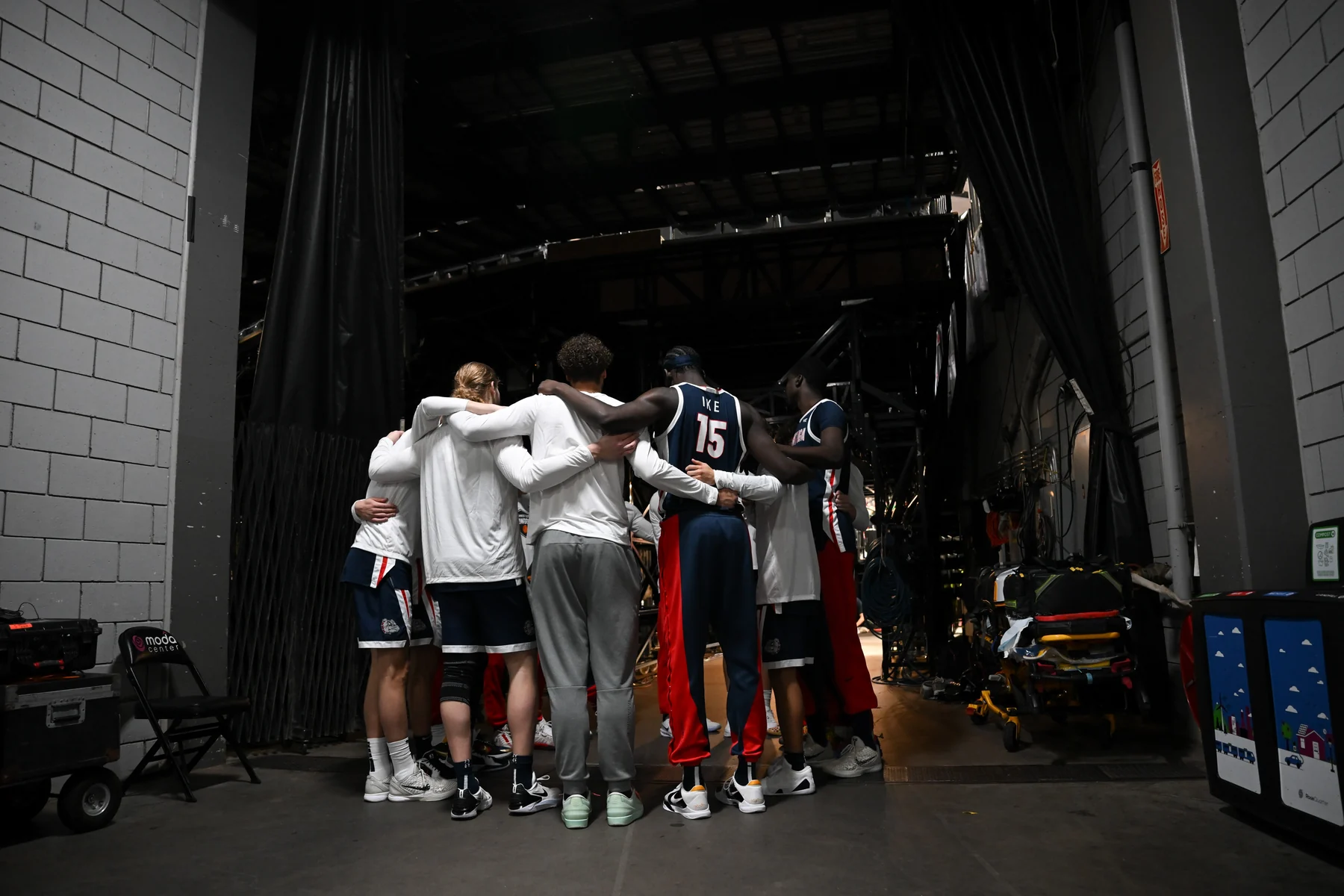
Consider an illustrative late-game situation with a team leading by two and preparing to inbound. A defensive specialist can help protect the next lead, but first somebody must receive the pass and avoid a turnover. The staff's instruction should account for that sequence. Judging the lineup solely by the final defensive matchup can miss the more immediate problem.
When play returns, watch whether all five players act on the same instruction. A clear first option, a usable outlet and an agreed defensive responsibility tell more than the timeout's length alone. A long pause supplies an opportunity to communicate, while the next possession shows how effectively the team used it.
None of this establishes that every timeout stops an opponent's run or that every failure afterward reflects poor coaching. Execution, opponent choices and the available lineup all matter. The timing rules define when the opportunity exists; basketball decisions determine what the team does with it.
Why this does not promise fewer commercials or a shorter game
Spacing two breaks is different from deleting one. The missed-window ruling changes when a later media timeout may occur; it does not, by itself, prove that the game contains fewer scheduled windows or that the broadcast sells less advertising. A fan can appreciate a return to live action and still find the overall experience too fragmented.
The May discussion of the NCAA announcement included questions about how much the adjustment would change the viewing experience. Those comments are evidence of a particular conversation, not a measurement of public opinion. They do identify a reasonable standard for assessing the change: does the audience receive a meaningful return to basketball, or only a very brief sequence before another long pause?
The current rule does not answer that empirical question with a guaranteed duration. Another foul, out-of-bounds play or other qualifying stoppage may occur soon after the clock restarts. The first team-called second-half exception also remains. Claiming that all consecutive commercial sequences have disappeared sets expectations the actual interpretation does not support.
Likewise, total game length depends on more than the ordering of media windows. A close finish with fouls and reviews can produce a different viewing session from a game with long continuous stretches. Without measured comparisons, it would be premature to assign a specific number of minutes saved to this ruling. The precise claim is about administration, not an established runtime reduction.
For practical planning, use the men's college basketball TV schedule to confirm the announced game and platform. Allow room for the game to run beyond a neat calendar block, especially when following another event afterward. An advertised tip-off is useful information; an assumed exact finishing time is a different proposition.
The NCAA also discussed further evaluation of four quarters in May, including potential effects on the commercial structure. That discussion is not a replacement for the current men's format. Until an actual future change is adopted, judge this season using this season's provisions.
The useful distinction remains specific: a missed scheduled window must wait for proper clock movement before the next eligible dead ball, while the identified first team-called second-half timeout can still follow a media break. Knowing the reason for each pause makes the rule easier to follow and the criticism more precise.
Sign in with Google to join the discussion.