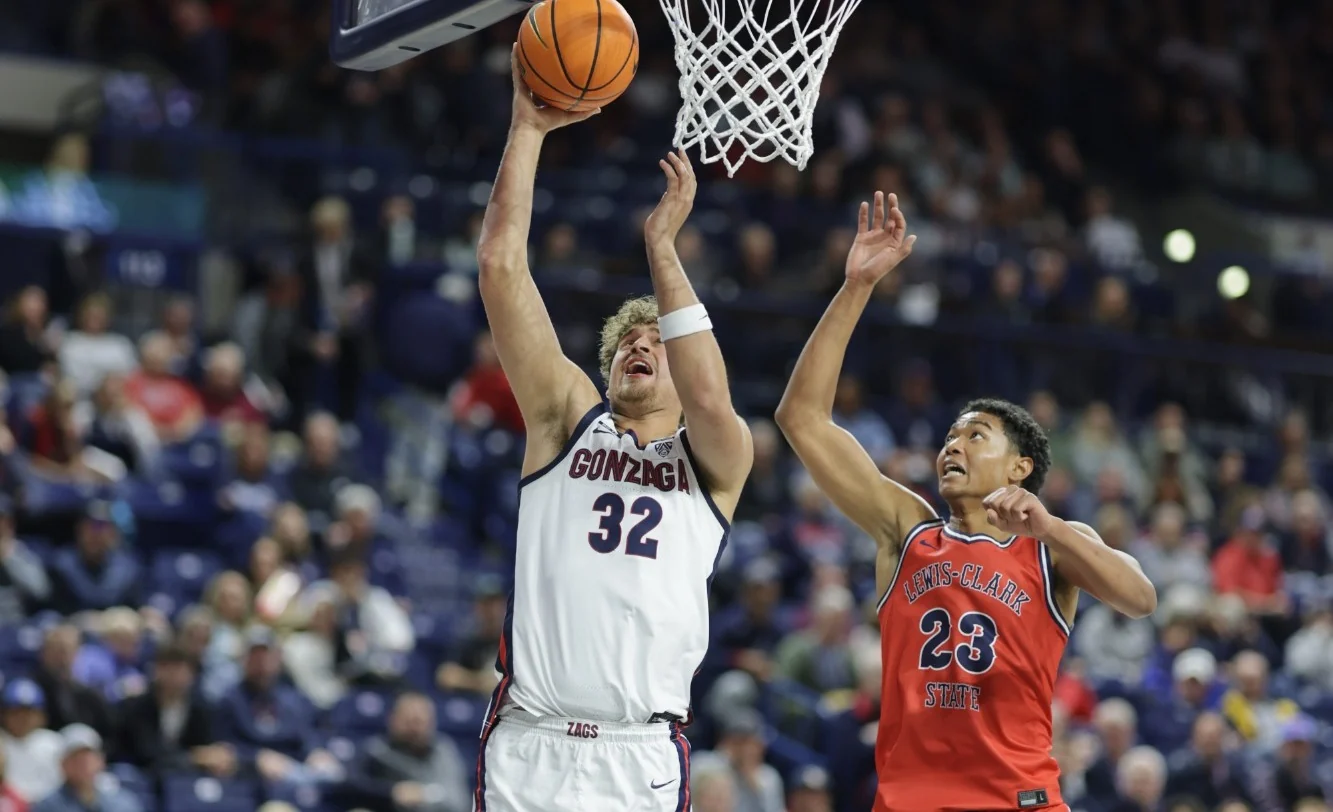
The 19-second signal still enforces a 10-second rule
For NCAA men's basketball in 2026–27, the standard shot-clock reference for a 10-second backcourt violation is 19 rather than 20. The NCAA announced the approved ruling on May 8, explaining that it better matches clocks measuring tenths of a second. An offense has not received a new 11-second allowance, and the ordinary 30-second shot clock has not been shortened to 29.
The apparent contradiction comes from comparing an elapsed-time rule with a whole-number display of time remaining. A viewer may subtract 20 from 30 and expect an immediate whistle. That calculation treats the visible number as a precise time reading, although the underlying timer can be between whole seconds. The clarification tells officials how to administer the backcourt requirement with that display behavior.
This is a season-applicable ruling announced in May, rather than a rule first adopted on the eve of the October exhibitions. The same NCAA announcement discussed evaluating four quarters, but that was a separate topic. A future-format discussion and an approved clock ruling do not carry the same status. Men's basketball fans should read the specific action attached to each item.
It is also a particular question within the larger possession. A team must advance from its backcourt in time, then produce its shot within the available possession clock. Beating the first deadline does not replenish the second. A guard who gets across very late may avoid a turnover while leaving his teammates little time to organize a good attack.
The normal fresh-clock situation provides the easiest illustration: a team controls the ball in its backcourt while a 30-second possession runs. If it has not obtained the required frontcourt status by the applicable deadline, the opponent receives possession under the violation penalty. The display reference explains the whistle's timing; it does not excuse the failure to advance.
Other sequences need more care. A stoppage may preserve an existing count, and the clock may resume with fewer than 30 seconds. In those circumstances, merely waiting for the number 19 can be the wrong way to understand the play. Start with the possession's history, then examine the display. The following examples separate those questions so a single visible digit does not have to explain an entire sequence.
Why the whole-second display can mislead you
A clock can measure fractions while showing only a whole number. That difference is enough to make the familiar subtraction misleading. The useful comparison is between the exact starting time and the exact remaining time, not merely between the two integers a viewer happened to notice.
A displayed number is not a complete stopwatch reading
Consider an illustrative device that keeps tenths internally and shows only the integer part of the remaining time. The table assumes an uninterrupted countdown beginning at exactly 30.0. It explains the arithmetic; it is not a claim about the precise graphics system used by every broadcaster.
| Underlying time remaining | Whole-number display | Time elapsed from 30.0 |
|---|---|---|
| 29.9 seconds | 29 | 0.1 seconds |
| 20.9 seconds | 20 | 9.1 seconds |
| 20.0 seconds | 20 | 10.0 seconds |
| 19.9 seconds | 19 | 10.1 seconds |
The important row is 20.9. The visible display already says 20, although only 9.1 seconds have elapsed. Calling the violation at the first appearance of 20 would treat a partial interval as a completed ten seconds. The first appearance of 19 comes after the underlying countdown has passed 20.0. That is the problem addressed by the NCAA's stated 19-second administration reference.
Notice what the example does not establish. It does not make every frame showing 20 premature: the table also includes 20.0. Nor does it turn every appearance of 19 into precisely 11 elapsed seconds. The hidden fraction changes the meaning of the displayed integer. This is why adding a whole extra second to the rule is the wrong conclusion.
The NCAA's explanation specifically connects the clarification to clocks measuring tenths. The men's equipment rule separately permits tenths to be displayed below five seconds; it does not require the spectator to see the hidden fractional value throughout a possession. A timer's internal precision and the detail exposed on its face are different things.
For a close play, a clip showing one integer before the pass and another after it is incomplete evidence. You need to know when the relevant timing began and when frontcourt status was achieved. Slow motion can reveal the ball and feet while the display still lacks the fraction needed to settle a timing claim. Treat the clock as one part of the evidence, then examine the possession itself.
When the count starts and when the ball is across
A throw-in and backcourt control are different moments
Under men's Rule 9-10, the backcourt count generally begins with a legal touch in the backcourt. Rebounds and jump balls are exceptions: the count begins with player control. On a throw-in, therefore, waiting for the receiver to secure a comfortable two-handed catch can miss time that has already counted.
Imagine a pass touched legally by a guard in his backcourt, then bobbled before he gathers it. Starting a personal stopwatch only at the gather produces a later starting point than the legal touch. The player may feel he has spent little time dribbling, yet the relevant interval began earlier. This is an illustrative sequence, not a report of a particular team's violation.
The inbounder's own obligation to release the throw-in is another timing question. Do not add time before the legal inbounds touch to the backcourt interval merely because the team is preparing to advance. Equally, do not erase time after that touch because the first receiver has not yet begun a normal dribble. Locate the actual trigger rather than the first moment that looks like an organized possession.
A dribbler needs more than one foot over the line
For a dribbler advancing into the frontcourt, both feet and the ball must contact the frontcourt. A leading foot across the line, with the trailing foot or the dribble still behind, does not complete that process. The division line itself belongs to the backcourt. A camera framed around the player's shoulders can therefore conceal the detail that decides the question.
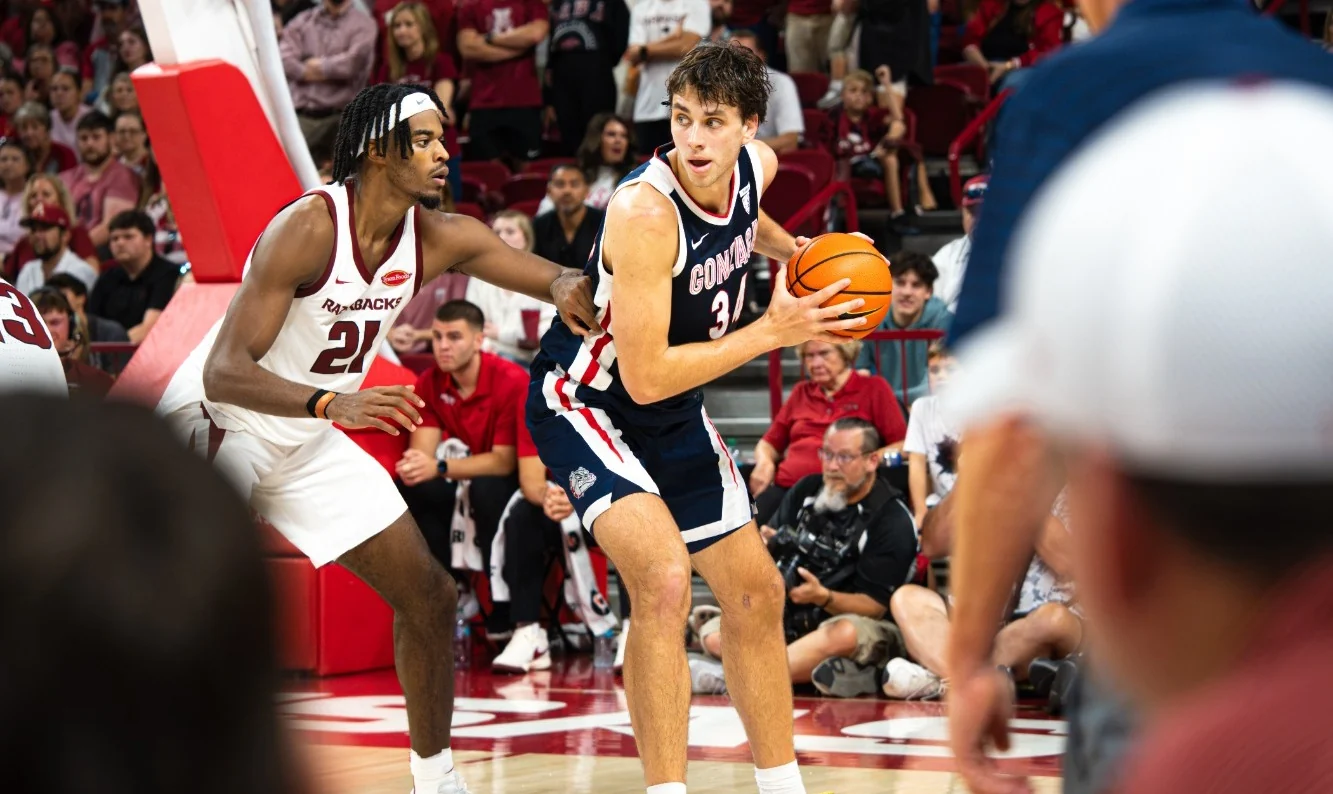
A pass requires a different examination from an ongoing dribble. Ask when the ball acquires frontcourt status under the applicable floor or player contact, rather than applying the dribbler's checklist to the passer's feet. Merely throwing the ball forward before the deadline is insufficient if it remains in the air without acquiring frontcourt status when the count expires.
That creates a practical decision for a trapped guard. A late, high escape pass may travel safely above the defenders yet take too long to complete the necessary advance. The receiver's availability matters before the passer runs out of room. When evaluating the possession, follow the outlet player's movement and the ball's arrival as well as the handler's individual effort.
Which interruptions preserve the count
A defensive touch does not automatically restart the count
A deflection is different from a controlled steal. If a defender knocks the ball away and the offense retrieves it without an opponent gaining control, the existing backcourt count can continue. The guard's personal possession was interrupted, but his team's control did not necessarily end. That distinction is why a successful recovery can still leave very little time to advance.
Men's Rule 9-10 also preserves the count when the defense causes an out-of-bounds ball, when a held ball returns possession to the offense, and when a technical foul is assessed against the offense. Those are specified exceptions to the ordinary stoppage-reset principle. A whistle alone does not tell the viewer whether a new count follows.
Imagine a pressured team using most of its allowance before the defender knocks the ball over the sideline. The offense has saved possession, yet the next receiver still faces the remaining backcourt deadline. A carefully designed inbounds play matters immediately. Treating the dead ball as ten fresh seconds would misread both the tactical urgency and the official's next whistle.
A legal offensive timeout gives a new backcourt count
The men's game has a crucial additional distinction: a legal timeout charged to the offense resets its backcourt count. It does not independently reset the shot clock. A team can therefore have a fresh obligation to advance while retaining the smaller amount of total possession time left before the timeout.
The current men's case book distinguishes that offensive timeout from an opponent's timeout or a media timeout after a defensive out-of-bounds play. Those other breaks do not buy the offense a reset in that sequence. It also specifies that an excessive timeout resulting in an offensive technical foul does not supply the reset.
For a coach weighing a legal timeout, the decision is therefore about two resources. Spending the timeout can relieve the immediate advancement problem and allow new instructions. Keeping it preserves a later option, but asks the current group to solve the pressure before the remaining count expires. Neither choice restores possession time already used.
This is also where the headline number needs context. Once a new backcourt count begins with an already reduced shot clock, the relevant deadline cannot be inferred by blindly watching for 19. Read the resumption and the count together. A timeout granted after a violation has already occurred cannot retroactively turn the expired possession into a successful escape.
How pressure can win even without a violation
The ten-second rule gives extended defense a deadline to attack, but an immediate turnover is only one possible reward. Pressure can make the offense spend time changing direction, retreating or searching for an outlet. Getting across eventually avoids the violation while leaving less of the original possession for the action the offense wanted to run.
Consider an illustrative Gonzaga possession. A guard receives the inbound pass, meets a second defender and reverses the ball to a teammate. The Bulldogs advance legally, but their first screen begins later than planned. If that action fails, there may be less time for a second-side pass and another attack. No player has committed a backcourt violation, yet the defense has affected the offense's choices.
This is why support matters before the handler looks trapped. A teammate who moves into a useful passing lane can turn an individual escape into a coordinated advance. A teammate standing behind a defender may leave the ballhandler with a choice between a difficult pass and another retreat. Evaluating the guard alone misses how the other four offensive players shape his available decisions.
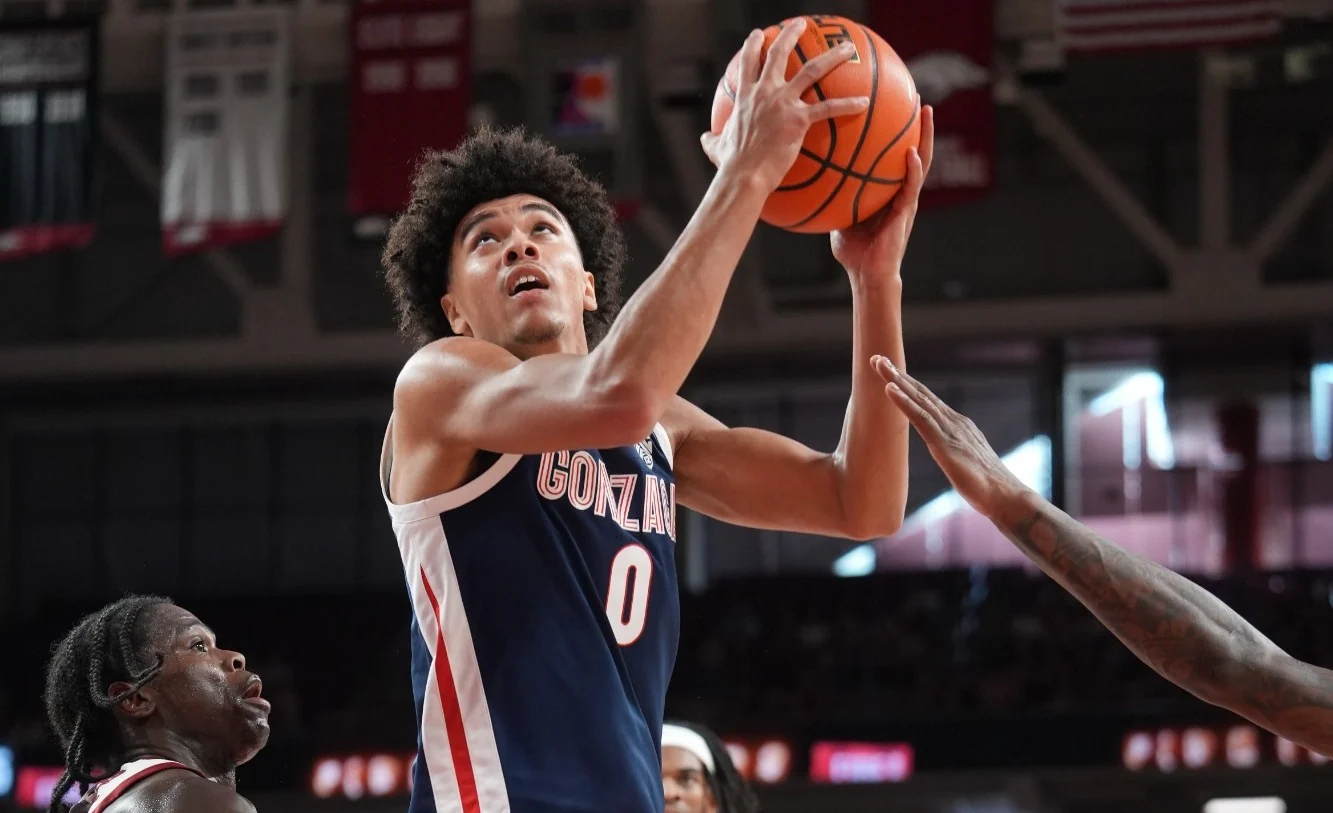
Pressure was already part of the preseason picture. In its October 4 account of VCU's Black and Gold scrimmage, The Commonwealth Times reported full-court pressure from both sides and opportunities in transition. That is an observed scrimmage example, rather than proof of how every opponent will fare against VCU in a competitive season. It shows why timing and outlet decisions deserve attention before opening night.
The offense also has an opportunity when defenders commit extra resources behind the ball. A clean escape can leave fewer defenders protecting the next area of the court. The value of pressing therefore depends on what happens after the first trap: whether the defense recovers and whether the offense recognizes the available advantage. More pressure is not automatically better defense.
For viewers, watch the first organized action after the advance. Did the offense arrive balanced, with the ball and intended receivers in useful places? Or did it merely survive, forcing a hurried sequence against a defense that had recovered? That distinction explains a successful defensive possession more clearly than counting only steals and ten-second whistles.
How to judge the whistle from a replay
A useful replay review starts before the disputed whistle. Find the touch or control that began the count. Then follow any deflection, stoppage or timeout that might change its administration. Finally, identify the instant when the ball acquired frontcourt status. Looking only at the shot-clock number beside the official's raised arm leaves most of the relevant sequence unseen.
For a dribble, use a view that shows the feet, ball and division line together. For a pass, follow the ball through the contact that changes its status. A close-up of the passer can be excellent evidence of release while supplying poor evidence of where the ball was when the deadline arrived. Two camera angles may answer different questions rather than contradict each other.
The current men's case book makes the 19-second reference concrete. In A.R. 9-34, an attempted timeout does not save a fresh 30-second backcourt possession that has already reached the violation. A.R. 9-35 addresses a later out-of-bounds stoppage after the missed deadline, with possession and time corrected under the stated conditions. These examples establish the applicable sequence; they are not a promise that any disputed action can always be challenged.
Be equally careful with the phrase backcourt violation. A team taking too long to advance and a team illegally returning the ball from frontcourt to backcourt involve different questions. The latter turns on established status, control and the relevant touches, including exceptions. A ball moving backward on screen does not automatically establish either violation.
When discussing a clip, describe the uncertain point precisely. Perhaps the first legal touch is outside the frame. Perhaps the ball is still airborne at the critical moment. Perhaps a charged offensive timeout restarted the count even though the total shot clock stayed unchanged. Each explanation can be tested against the sequence; a general claim that the officials ignored the clock cannot.
Fans raised display questions in the May discussion of the committee announcement, and the confusion is understandable. A familiar-looking number conceals fractional time while the legal count depends on several events. The best viewing habit is to separate those layers. Establish the possession, establish the court status, then read the timing evidence.
For the ordinary uninterrupted possession starting at 30, remember 19 as the NCAA men's administration reference for 2026–27. For an unusual possession, remember the reason behind it and check what happened before the restart. That combination makes the clarification useful without turning one number into a substitute for the rest of the rule.
Sign in with Google to join the discussion.