Why sponsor patches arrived this season
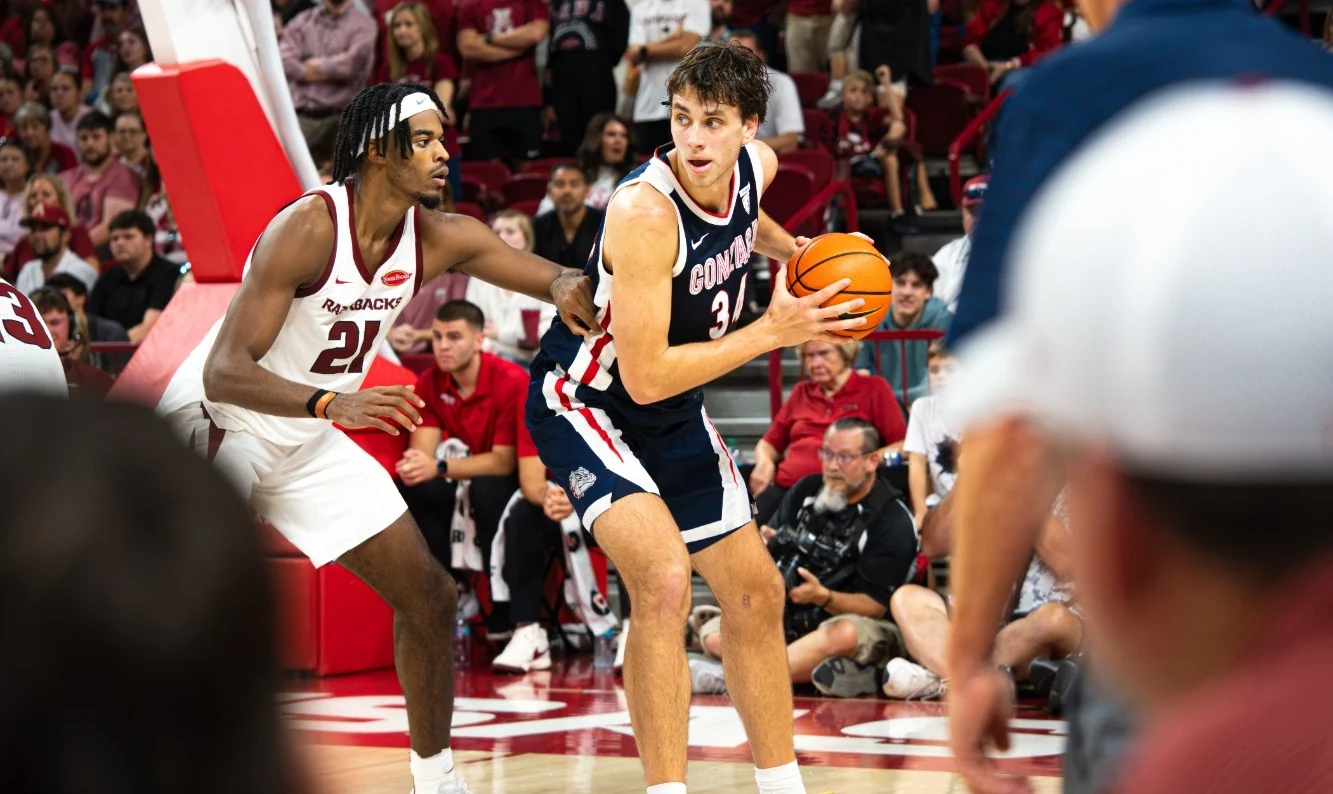
A company name on a men's college basketball jersey is now an expected part of the 2026–27 Division I season. The NCAA Division I Cabinet approved additional commercial patches on January 23, with permission taking effect August 1. Schools consequently had an opportunity to bring new sponsorships into their fall uniforms. The patch is an advertising agreement attached to the team's apparel; its appearance does not mean the company has become part of the school's name.
The essential boundary is non-NCAA-championship competition. That includes the regular season. A conference tournament and the NCAA tournament are different competitions for this purpose, even when a fan casually calls both the postseason. The January action also made a separate allowance for conference championships. It did not turn every basketball game, at every level, into the same commercial inventory.
The Cabinet's formal report treats NCAA-championship policy as a separate matter involving the association's commercial and media partners. Accordingly, a school announcing a season-long partnership does not, by that description alone, establish that the logo is permitted in every future March Madness game. Fans should distinguish the sponsorship contract's duration from the competition's uniform requirements.
There is also a division boundary. This change concerns Division I permission; it should not be presented as an identical blanket approval for Division II and Division III. A photograph of a commercial patch at Gonzaga cannot settle what another division permits. Nor does the rule require every Division I school to sell a patch. Permission creates an option, while a completed agreement depends on the institution and its partners.
That distinction helps when comparing uniforms on opening night. One team might show a new advertiser, another might retain a cleaner front, and both might be operating within their applicable rules. An absence is not proof that a school rejected all commercialization. It may simply have no announced patch arrangement. Conversely, a prominent company logo is evidence of a partnership, not public evidence of its price.
The NCAA framed the move as a way to expand revenue as financial benefits for athletes grow. That explains the policy's commercial purpose. It leaves a separate, worthwhile question for each deal: what rights were sold, what obligations were assumed, and what has actually been disclosed about where the money goes?
What the uniform rules actually allow
The new permission has boundaries. Think of a controlled addition to a basketball uniform rather than an unlimited advertising surface. A school still needs an identifiable team, legible numbers and a design that meets the sport's requirements. A sponsor's marketing preference does not displace those functions.
Size and placement still have limits
The NCAA's men's basketball logo summary permits up to two commercial or nonprofit marks, excluding the manufacturer's mark, with a four-square-inch limit per logo. That is an area measurement: a two-inch-by-two-inch square has an area of four square inches. It does not mean a four-inch-by-four-inch patch.
On the men's jersey, the approved locations are the front shoulder panel, at least one inch from the identifying name, nickname or logo, or the back, at least two inches above the number. A mark on the shorts belongs in the front lower quadrant. Conference-championship competition has an additional-logo allowance. Those details explain why a shoulder advertisement can coexist with a large school name without becoming the central identifier.
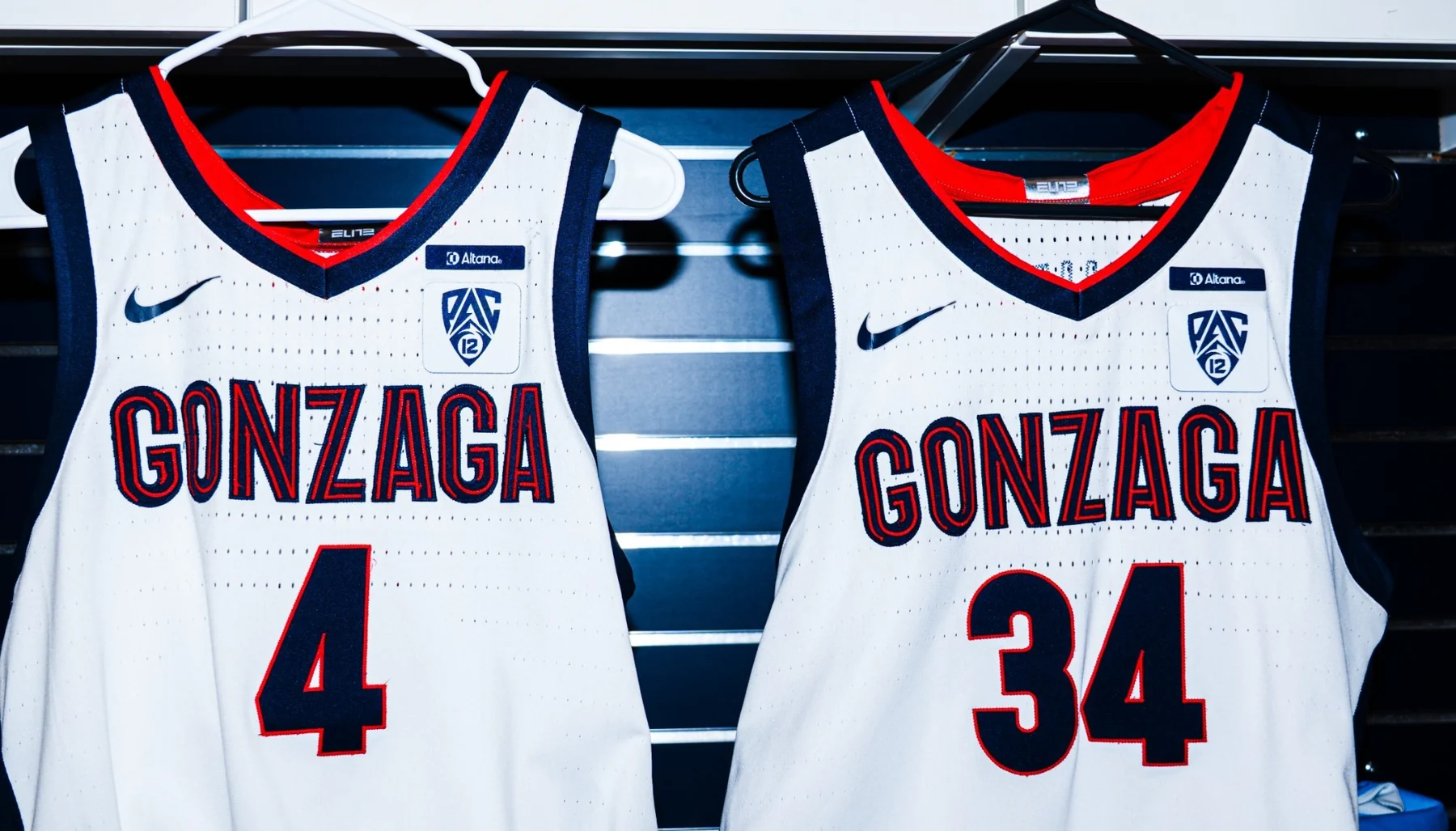
A television close-up can reveal placement but cannot reliably measure it. Perspective changes apparent size, and a folded jersey changes apparent spacing. If the argument concerns a precise dimension, the relevant evidence is the measured garment and the applicable requirement, rather than how large the patch looked beside one player's shoulder.
A commercial patch is different from a commemorative patch
Several kinds of mark can occupy the same general region of a uniform: an apparel manufacturer's symbol, a conference badge, school identification, a memorial element and a paid sponsor. Their resemblance does not make their permissions interchangeable. The October 15 men's interpretations also clarify that commercial or nonprofit organization names and logos are not permitted under the corresponding Division II and Division III provision.
Nonprofit status is therefore not a universal shortcut around uniform restrictions. Likewise, the allowance for an institutional logo replacing a school identifier should not be read as an unlimited sponsor-size exemption. The useful first question is what the mark represents. Only then can the relevant count, size and placement rule be applied.
For a fan comparing two teams, this approach prevents a misleading logo count. Three visible symbols need not mean three additional commercial sponsors. A manufacturer and a conference may account for two of them. Identify each symbol before deciding whether a new advertiser has changed the jersey's appearance more than the rules contemplate.
Pitt shows how the new market works
One of the latest men's basketball examples arrived on October 27, when Pitt Athletics and rights-holder JMI Sports announced a multiyear Gecko Robotics partnership. Its planned jersey debut is the November 2 regular-season opener against Rider at the Petersen Events Center. That is a useful, concrete setting for the new policy: an advertiser becomes part of the image viewers see as two teams begin their competitive schedules.
The announcement from JMI Sports describes more than the patch. It names arena branding, game recognition, digital and social features, and community engagement. It also identifies separate NIL opportunities for selected men's basketball players through H2PNIL. The existence of those player campaigns is meaningful precisely because the release specifies them; they should not be assumed from every other school's logo announcement.
For fans, the broader package changes how the deal should be evaluated. A uniform offers repeated visibility while the action is happening. Arena signage reaches people attending in person, and digital campaigns reach people away from the building. Those are different forms of access to the audience. A sponsor may value them differently, so the size of one visible patch is a poor guide to the commercial agreement's total scope.
There are practical questions behind that package. Does the arrangement cover only men's basketball or other sports? Is the term a single season or several? Which promotional activities involve the team, and which require an individual athlete's participation? Are community programs named specifically, or merely suggested in general promotional language? These are useful questions for reading an announcement, rather than claims about undisclosed clauses in Pitt's contract.
The release describes a multiyear relationship but does not publish an exact annual fee or a player-by-player distribution. Calling it the program's first patch partnership is supported. Calling it a particular dollar windfall is not. The same caution applies when comparing Pitt with the visiting Broncs: the game provides exposure, but an opponent's uniform does not disclose either school's balance sheet.
On the court, the sponsor's presence gives no basis for predicting rebounding, defensive coverage or the final score. The relevant basketball benefit would need to be demonstrated through what resources actually support the program and its players. A marketing announcement establishes a business relationship. Competitive improvement is a separate claim requiring separate evidence.
Gonzaga and Duquesne illustrate different sponsor fits
Gonzaga announced Altana as its 2026–27 men's basketball jersey partner on September 29. The company works in artificial intelligence and global trade. The agreement arrives as the Bulldogs enter the Pac-12, giving the program a new league setting as well as a new commercial mark. Those two developments share a season, but neither should be confused with a guarantee about Gonzaga's results.
Duquesne's October 5 announcement presents another technology partner, Gecko Robotics, with an explicit Pittsburgh connection. Its men's jerseys and UPMC Cooper Fieldhouse form part of the arrangement. The comparison is useful because not every patch is selling the same story. A company can seek broad exposure through an established national basketball audience, emphasize ties to its home city, or pursue several objectives together.
Fans do not need to become customers of the advertiser to understand the relationship. A business that sells to other businesses or public agencies may value recognition differently from a restaurant or retailer. That does not make the sponsor's identity irrelevant. Supporters can reasonably ask whether the company fits the institution and whether the school has explained the association clearly.
The logo carries a partnership beyond the jersey
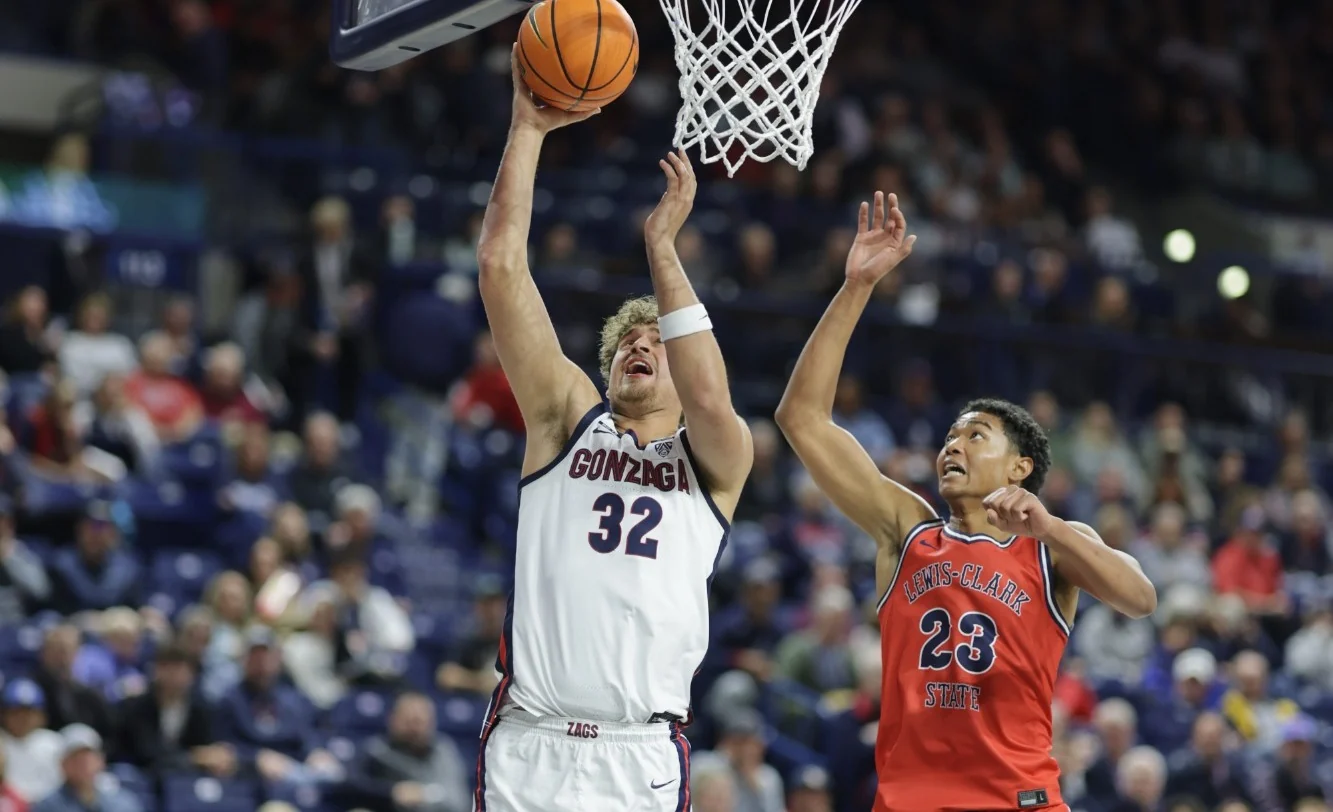
The Duquesne release describes branding inside the fieldhouse and across athletics platforms. Gonzaga identifies Gonzaga Sports Properties, the local Learfield operation and its multimedia rights holder, as helping secure its partnership. These details show why the stitch on the shoulder is only the most visible piece of a larger commercial relationship.
They also make headline comparisons difficult. Two schools may announce the same type of patch while selling different combinations of venue access, media exposure and promotional involvement. Without the relevant contract terms, a list of company names cannot establish which school negotiated the better deal. Even a disclosed gross price would need context about the rights and obligations bundled with it.
For an ordinary supporter, the most useful test is specific delivery. If a partnership promises educational or community opportunities, which opportunities eventually appear? If a school emphasizes a local connection, how is that connection expressed beyond the logo? Those are fair standards for judging the announcement without assuming that every marketing claim has already produced a measurable benefit.
Who gets paid: the school deal and the player deal
Institutional sponsorship is not an individual NIL contract
A jersey-patch arrangement sells access to a team-associated advertising position. An individual NIL agreement concerns the commercial use of a particular athlete's identity. Those can exist together, and a company can participate in both, but they are different relationships. Seeing the same sponsor on every player's shirt does not reveal that each player has received the same personal endorsement payment.
The NCAA's NIL guidance describes compensation for uses such as endorsements, appearances and promotional content, including compensation through products or services. That is a more specific concept than a school simply acquiring a new sponsor. An athlete's separately agreed promotional work needs to be identified before describing the patch as his personal NIL income.
Actual announcements sometimes make the connection explicit. Tennessee's August 18 Axle Logistics announcement, published by Learfield, combines a basketball patch relationship with student-athlete influencer marketing. Pitt's release separately identifies opportunities for selected players. These examples support a careful conclusion: player campaigns can accompany jersey sponsorships, while the existence, participants and value of those campaigns must be checked deal by deal.
A new revenue source does not reveal its final allocation
Direct institutional revenue sharing is another category. The College Sports Commission distinguishes those school payments from third-party NIL earnings and previously permitted benefits. A school can seek sponsorship income to help support its athletics obligations without every incoming sponsorship dollar becoming an immediately identifiable, equal payment to every basketball player.
For that reason, a headline about new revenue should be followed by a question about allocation. Does the school disclose whether a sum is cash, services or a combination? Is the figure annual or spread across the contract? Does it cover a single team or a larger athletics package? Are direct player campaigns included in the announced figure or discussed separately? An absent answer should remain an unknown.
It is equally misleading to infer that players receive nothing simply because the school release omits a distribution. Silence about an individual payment is not evidence of a zero payment. The responsible reading is narrower: this announcement does not establish the amount. That protects the distinction between a legitimate demand for transparency and an unsupported accusation.
For supporters concerned about roster stability, a sponsor logo also offers no guarantee that a particular player will remain next year. Retention depends on choices and agreements beyond the appearance of a uniform. Judge the commercial arrangement by disclosed rights and delivered benefits, and evaluate the basketball roster using information about the players themselves.
What fans can fairly expect from the trade-off
The strongest complaint about jersey advertising is often cumulative. A supporter already pays for a ticket or television access, sees advertising around the court and waits through commercial breaks. Adding another logo can feel like a further charge against the visual experience, even if the new advertiser has paid the school rather than the fan. That reaction deserves an answer more specific than an assertion that every new revenue source is necessary.
A June 30 college basketball discussion about Wisconsin and Culver's showed both sides. Some commenters enjoyed the local fit; others objected to commercializing jerseys or doubted that another advertiser would bring any relief from television commercials. This is an observed discussion, not a survey of all supporters. It illustrates the distinction between accepting a particular company and accepting the overall growth of advertising.
A sponsor patch does not promise fewer TV breaks. The NCAA's 2026–27 men's media-timeout sheet ties scheduled television stoppages to the electronic media agreement. Uniform sponsorship permission is a different matter. Nothing in the permission itself converts a shoulder logo into a cancelled commercial window or a guaranteed earlier finish. Fans planning a viewing session should continue to check the TV schedule for the actual game and broadcaster.
There is room for a balanced standard. A school can explain the partner's identity, make the jersey remain recognizable, describe the benefits it is prepared to disclose and follow through on named athlete or community opportunities. A supporter can welcome additional athlete resources while asking whether the commercial presentation has become intrusive. Those positions can coexist.
When the next announcement appears, ask four concrete questions: which men's team and season does it cover; which competition's uniform permission applies; what rights or services are actually named; and what player benefits are specified rather than implied? That approach works for a familiar local restaurant and for a technology company most viewers have never used.
The first season of patches will produce plenty of visual comparisons. The more revealing comparisons will concern clarity and delivery. A small, legible mark with an accurately explained agreement gives fans something they can assess. An impressive revenue headline without a defined scope leaves the key questions open. The jersey tells you a partnership exists; the disclosed terms and subsequent actions tell you what to make of it.
Sign in with Google to join the discussion.