What is confirmed about the 2027 college basketball experience
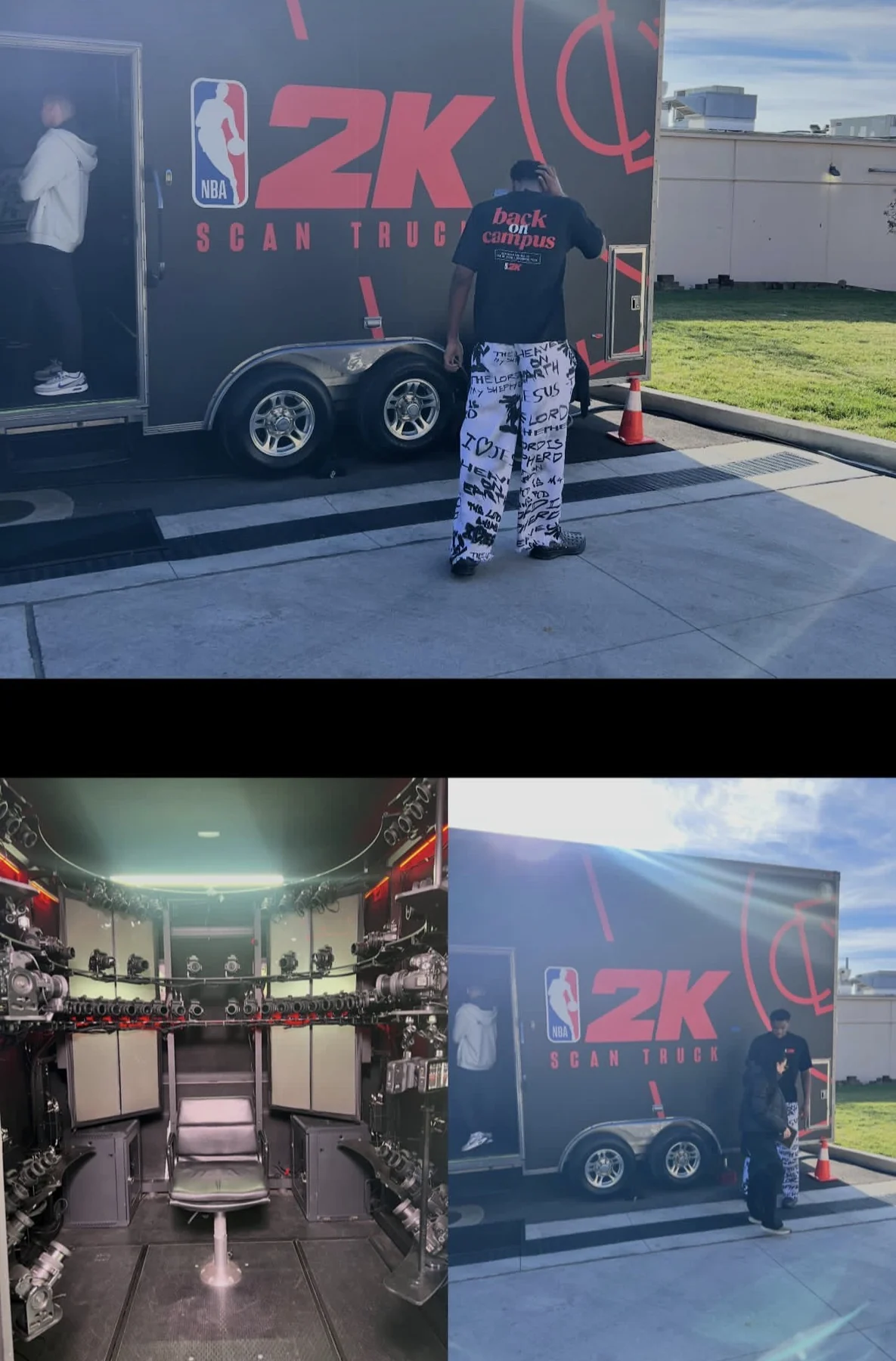
2K has announced a college basketball experience for early 2027. That is the useful starting point for anyone searching for a new college basketball video game. It confirms a project and a release window. It does not, by itself, establish an exact launch day, a standalone retail game, a complete dynasty mode or a platform list for that college product.
The publisher's February 18, 2026 newsroom announcement used that window while introducing college-themed content for NBA 2K26 Season 5. It also described the college effort as something that would begin with a foundational experience and expand over time. The distinction matters: the first release may have a different scope from what fans imagine when they remember an older full college simulation.
A broad college project also needs a more precise content description before fans can evaluate its reach. A school can appear through a jersey, a court or a player card without becoming a fully controllable team in a season mode. Neither the ambition to expand over time nor the presence of familiar programs answers which schools will be playable in which parts of the initial experience.
A release window is not a release date
“Early 2027” gives fans a period to follow. It is not a calendar appointment. Discussion of February has circulated around later teasers, but this guide does not turn that discussion into a confirmed day or a guarantee of what will be playable. A publisher can reveal a feature, begin an event or launch a product at different points in the same marketing cycle.
The safest way to read an announcement is to keep the noun attached to the date. Is the publisher dating a trailer, a seasonal update, an early-access period or the college experience itself? Removing that distinction can produce an apparently precise answer that solves the wrong question. It also creates avoidable purchasing mistakes when someone assumes an NBA base game purchase automatically buys future college content.
As of October 20, the opened primary announcement supports the early-2027 window. An October NBA 2K27 seasonal update describes the ongoing NBA product; its publication does not independently supply a college launch date. For a fan deciding what to buy, the next decisive announcement needs to connect timing with the actual product name, supported platforms and access terms.
That still leaves a reason for college fans to follow the project closely. Officially licensed schools and a publisher with an established basketball franchise are meaningful developments. The sensible expectation is to evaluate the first demonstrated feature set on its own terms, then judge whether it provides the school-season experience you want. Hope for a deeper simulation should remain visibly separate from a feature that has actually been announced.
College content and a full college game are different products
The word “college” can describe several very different basketball experiences. It might mean dressing a created player in a university jersey, assembling a fantasy lineup from a school's past and present, playing a short college chapter or managing a program over multiple seasons. All can use legitimate school branding. Only the last example necessarily addresses the fan who wants to run a college team through a continuing schedule.
What NBA 2K26 Season 5 actually offered
Season 5, introduced in February 2026, featured content tied to 16 universities across MyTEAM and MyCAREER. Its college elements included player cards, uniforms, courts and other school-themed customization. The school group included Texas, Duke, Kansas and UCLA. The publisher described both earnable and premium content, so “included” did not mean that every item required the same access route.
That is a historical description of the season, not a promise that every February reward can still be earned in October. A seasonal announcement needs to be read with its dates attached. Before buying an older NBA title for a specific college card or challenge, check the current availability of that item within the game and the official support information. A screenshot of a past reward is not evidence of a current entitlement.
The concept can still appeal to a college fan on its own terms. A fantasy lineup pairing generations of school-associated players is a celebration of program identity. It lets a supporter enjoy connections across eras that a current-season simulation would ordinarily keep separate. That pleasure does not depend on pretending the lineup is an accurate representation of a single year's team.
Why school branding does not confirm a dynasty mode
A court, jersey or collectible card answers a visual or roster-content question. A dynasty mode has to answer a different set of questions: what happens after the first season, how the roster changes, how a conference race is tracked and how the postseason is reached. No amount of recognizable branding, by itself, demonstrates those systems.
This is the central difference to watch in future footage. A montage showing recognizable schools may establish that assets exist. A menu showing a schedule and standings establishes more. A demonstration advancing between seasons and explaining player turnover establishes something else again. The evidence becomes stronger when the developer shows the actual sequence a fan will play through.
For that reason, judge the college experience by its described loop. If it is designed around short challenges, evaluate the challenges. If it offers sustained team control, ask how the season develops. Neither format should receive credit for the other's features. Keeping that distinction clear makes it easier to decide whether an announcement solves your own college basketball gaming problem, rather than simply recognizing a favorite uniform on screen.
Platforms, price and ownership questions still need answers
Searching for “college basketball video game PC” should lead to a product-specific answer. NBA 2K27 has its own official platform list and PC requirements. Those describe the NBA product being sold. They should not be copied into a college release guide as though the publisher has separately announced identical support for the future college experience.
The same logic applies to PlayStation, Xbox and Nintendo. A parent franchise appearing on a system is relevant background, but feature access can be specific to a product, edition or platform. Before choosing a version for college play, look for an explicit statement connecting that version to the college content you want. A familiar brand on the box is not enough.
There are several separate purchasing questions. Is the college experience a standalone purchase, a free addition, a paid expansion or content accessed through an existing mode? Does access require a particular base game? Is the desired feature included with every edition? These are unresolved questions to ask, not claims that one particular commercial arrangement has been confirmed.
| Decision | Evidence to wait for |
|---|---|
| Which system to use | A college-specific supported-platform statement |
| What to buy | The exact product or edition and its included college features |
| Whether PC hardware is sufficient | Requirements explicitly covering the released college experience |
| Playing with friends | Supported modes, platform compatibility and account requirements |
| Long-term access | Offline availability, online dependence and any published support conditions |
For example, the ability to play an NBA game with a friend does not automatically establish crossplay for a future college mode. Likewise, an existing save file or a current player collection does not guarantee progress transfer into a different experience. Those connections can be valuable when a developer announces them, but assuming them first creates a promise the publisher may never have made.
Price needs the same discipline. Comparing an NBA base-game price with a rumored college price is not a comparison between equivalent products. One might include a full NBA feature set while the other has not yet had its format described. Currency, store region, sale timing and edition also affect the amount displayed. The useful comparison starts when the college access terms and feature list are visible together.
A practical approach is to buy a currently available NBA title only if its existing features justify the purchase to you. If college play is the deciding reason, wait for the evidence that connects the purchase to that feature. That is an ordinary consumer decision based on what the product actually offers, without requiring either pessimism about the project or confidence in an unannounced format.
What college basketball fans should look for in the reveal
A useful reveal should show what a player actually does between the opening tip and the next game. The criteria below are editorial questions for evaluating the experience, not an announced feature list. They explain why a college fan might value one format more than another even when both share familiar teams and modern basketball animation.
Team control, roster depth and the tournament path
First, ask whether you control a team, one player or a collection of cards. Those choices lead to different decisions. A team-focused experience makes substitutions, offensive roles and opponent preparation central. A player-focused chapter can deliver a college setting while giving you much less control over the rest of the program. A collection mode has another organizing principle entirely.
If team control is offered, look beyond the five most recognizable players. Bench roles are part of college basketball: a second handler can keep an offense functional, a reserve forward can protect the glass and a backup center can matter when the starter has fouls. Depth should affect the decisions a user makes, rather than simply providing more names in a menu.
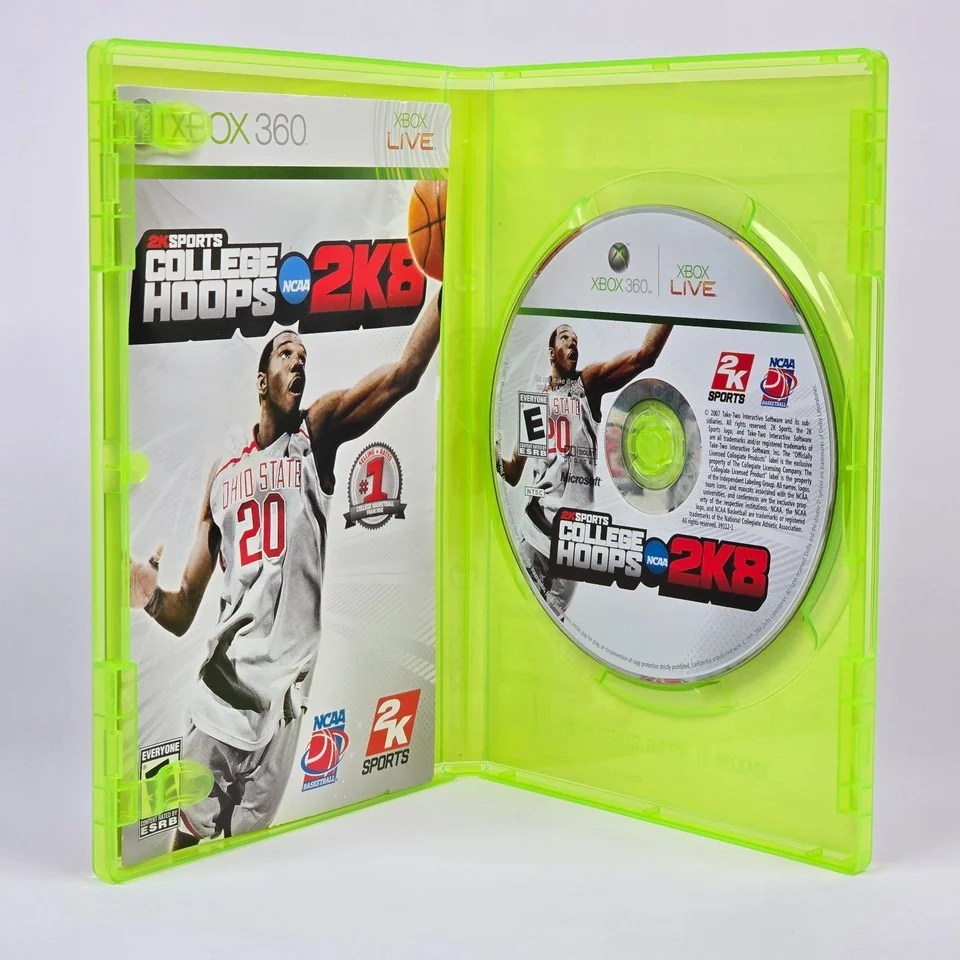
The older College Hoops 2K8 is a useful historical benchmark because its publisher explicitly promoted Legacy-mode systems. That explains why some returning fans expect recruiting and continuing program management. It does not establish that those features are returning in the 2027 experience. The new product should receive credit only when its own materials demonstrate them.
Any postseason feature also needs a stated scope. The real NCAA has announced a 76-team field for the 2027 men's tournament, with 12 Opening Round games before the 64-team First Round. That real-world change makes it especially useful to ask which season and tournament structure a simulation represents. It is not evidence that 2K has implemented that bracket.
Authenticity is more than uniforms
For a college fan, meaningful differences between teams should influence play. Does a lineup with more size gain something on the glass while giving up another option outside? Does pressure force a weaker handler to make difficult decisions? Do rotations and foul trouble alter how an opponent attacks? Those questions test basketball identity more directly than whether every school has a distinctive introductory shot.
Presentation still matters. A college crowd, a recognizable floor and the feeling of a road possession can make the setting convincing. The strongest version connects that atmosphere to a coherent competition. A loud arena becomes more meaningful when the game also explains why the matchup matters within a schedule or a tournament route.
Use the real men's college basketball teams directory to keep those identities connected to actual programs. Then evaluate the reveal against your own priority: a convincing single game, a short player story, a collection challenge or a multi-season school project. Those can all be enjoyable, but they answer different requests.
How to follow announcements without buying on assumptions
Begin with the publisher's newsroom, official game pages and support explanations. Reporting can help identify what changed, but the most useful purchase evidence is the statement that names the product and explains access. Keep the announcement date beside the claim: a February seasonal feature, an August teaser and an October support update may describe different things.
When a new college announcement appears, compare it against five questions. What exactly is being released? When does that release become playable? Which platforms receive it? What purchase or account is required? Which college activities are demonstrated? An announcement that answers only the first two is progress, but it still leaves a buyer with unresolved decisions.
Watch full demonstrations when available. A short highlight reel can establish presentation and animation quality without showing the structure around a game. For a fan interested in coaching a program, menus and progression may reveal more than a spectacular dunk. For someone interested in a college player story, the length and control of that chapter matter more than a future recruiting system.
Use the same distinction when reading community discussion. A fan explaining what a mode might become is contributing an idea, not leaking a confirmed specification. A screenshot can be genuine while the interpretation attached to it is wrong. School logos, a player's face scan and a title containing “2027” do not independently settle platform support or the amount of a season you can play.
If you want something playable immediately, assess the current options as current products. Check the actual mode, present availability and hardware requirements before purchasing. Historical college titles, modern NBA content and community-created material are different routes, with different strengths and limitations. None should be marketed to yourself as a guaranteed substitute for an unannounced feature.
It is also reasonable to wait. A release guide does not need to manufacture a preorder recommendation merely because the project is interesting. If full team control is essential to you, look for that demonstration. If the main attraction is one school's current players, look for the roster and mode in which they appear. If PC access is decisive, wait for explicit PC coverage of the college experience.
Meanwhile, the today's college basketball games page keeps the real season separate from the release calendar. Watch how actual programs manage bench minutes, road possessions and conference stakes; those are useful standards for evaluating the eventual product. The confirmed early-2027 window gives the project a place on the calendar. The detailed reveal must still explain what college fans can actually do when they arrive.
Sign in with Google to join the discussion.